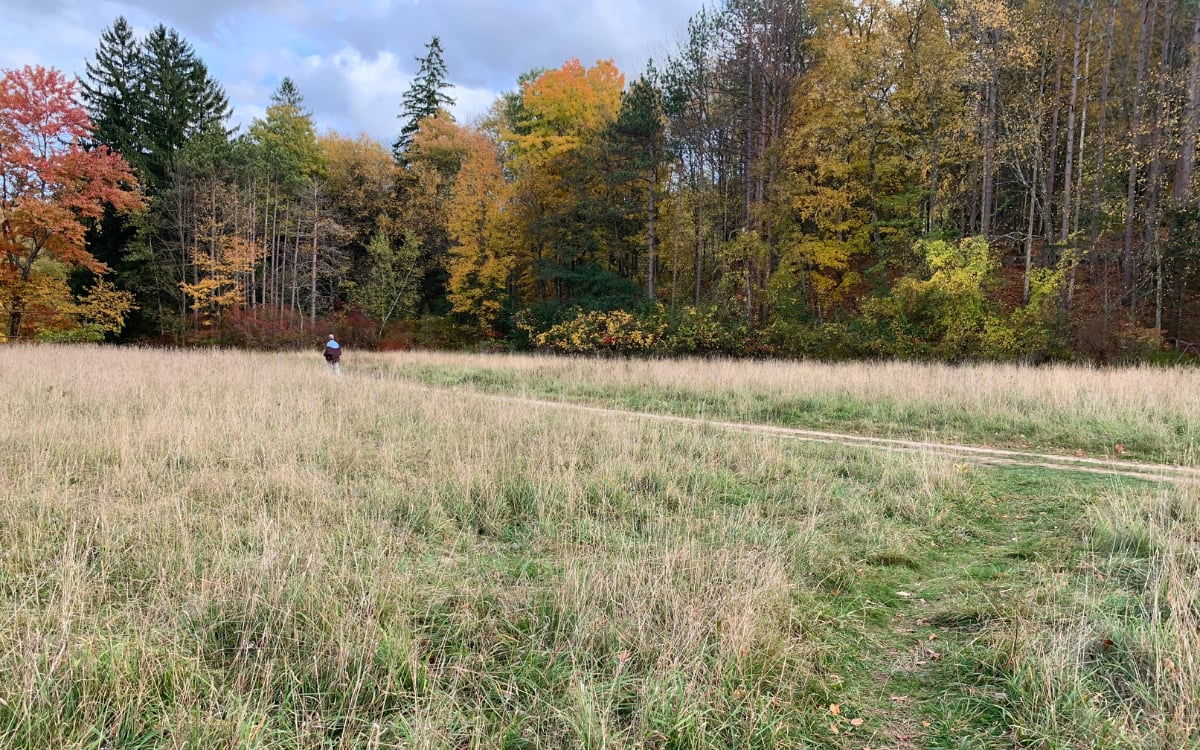
Wisconsin Land Loans Explained: Raw, Improved, and USDA/FSA Options
Northern Wisconsin Lifestyle Properties October 2, 2026
Northern Wisconsin Lifestyle Properties October 2, 2026
When you're shopping for land in Northern Wisconsin, the first question usually isn't which property. It's how to pay for it.
Land doesn't finance the way a house does. The right loan depends on what's already on the property, what you plan to do with it, and whether you'll build a cabin, manage the timber, or simply keep it as your place to hunt, fish, and get away.
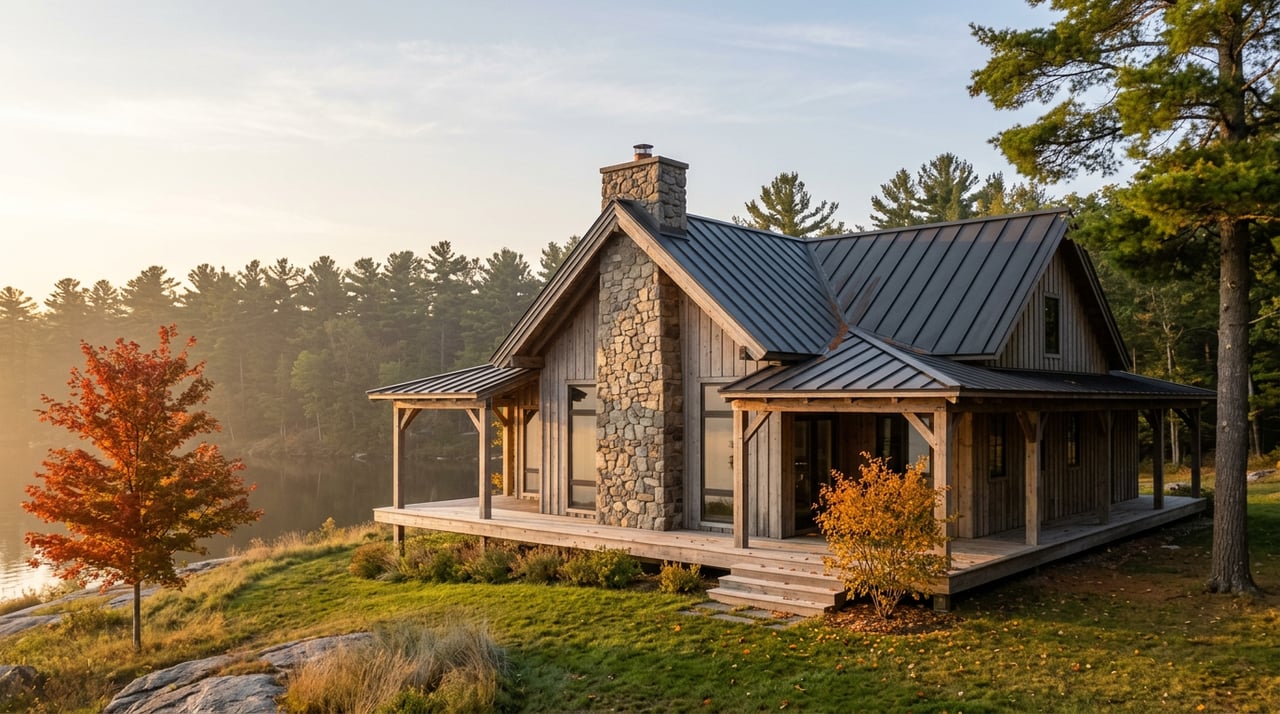
Up here, we work with buyers looking for everything from wooded hunting acreage and managed forest land to lakefront lots and Northwoods homesites. This guide walks through the main types of land loans, the USDA and FSA programs built for rural buyers, the Wisconsin programs worth knowing, and what a lender will want to see before saying yes.
Lenders see bare land as a bigger risk than a house. There's no home to fall back on if the loan goes bad, and vacant land can take longer to resell.
Because of that, land loans usually come with bigger down payments, often 20% to 50% for raw land. Interest rates tend to run higher than on a typical home mortgage, and repayment terms are often shorter, sometimes with a balloon payment due at the end. You can also expect more questions about how you plan to use the property.
The good news is that the more "finished" a property is, the more a lender treats it like a home loan. Year-round town road access, electric service, and a well or approved septic site can all work in your favor.
Raw land is property with no improvements. Think no power at the road, no well, no septic, and sometimes access that's nothing more than an old logging trail. A lot of the forest land and hunting acreage across Northern Wisconsin falls into this category.
Raw land is the hardest type of property to finance. Expect a lender to ask for a larger down payment, solid credit, and a clear plan for the land. Some banks want to know whether you intend to build, and when.
Because conventional financing can be tight, Wisconsin land buyers often get creative. Local banks and credit unions that know the Northwoods will sometimes keep land loans in-house, which gives them more room to work with you. Land contracts, where the seller carries the financing, are another common path.
Some buyers tap a home equity line of credit on a home they already own. And cash is still a common way to buy recreational land.
Improved land already has some of the basics in place, like year-round town road access, electric service nearby, or an existing well and septic. Lenders are more comfortable with these properties, so terms are usually better than for raw land.
If your goal is to buy land and build a home or cabin, look at a construction-to-permanent loan. It rolls the land purchase, the build, and your long-term mortgage into one loan, so you close once instead of juggling separate notes.
USDA Rural Development's Section 502 program is worth a close look for Wisconsin buyers who plan to live up north full time. Guaranteed loans are made by approved local lenders and can be used to buy an existing home or build a new one, including through a single-close construction loan. Direct loans come straight from USDA for lower-income households and can cover buying and preparing a site, plus building a modest home.
Both are for your primary residence in a USDA-eligible rural area. Most small towns and countryside qualify, since areas under 35,000 people are generally eligible. Income limits apply, and they vary by county.
One thing to know up front: USDA home loans don't finance bare land by itself, or a seasonal cabin. The land has to be part of a primary home purchase or build. If you're buying hunting land or a weekend getaway, you'll want one of the other options in this guide.
Yes, if you'll actually farm it. The USDA Farm Service Agency (FSA) offers some of the best land financing available, but it's built for people who run or plan to run a family farm. If you're buying pasture, hay ground, or a small farm to raise livestock, these programs belong on your list.
The most common option is the Direct Farm Ownership loan, which FSA makes itself. It can finance up to 100% of the purchase, up to $600,000, with repayment spread over as long as 40 years. It's meant for farmers who can't get enough credit from a commercial lender on their own.
A Joint Financing loan splits the purchase between FSA and a bank or the seller. FSA lends up to 50% of the price, up to $600,000, and the other lender covers the rest, with terms of up to 40 years.
If you'd rather work with your hometown lender, a Guaranteed Farm Ownership loan may be the better fit. Your bank or Farm Credit lender makes the loan and sets the terms, and FSA backs it with a guarantee. These loans can go as high as $2,343,000.
FSA can also guarantee a land contract when a seller finances the sale to a beginning farmer. The farm price can be up to $500,000, the buyer puts at least 5% down, and payments are spread over at least 20 years.
If you've been farming 10 years or less, this program can put land within reach. You bring 5% down, FSA finances 45%, and a bank or the seller covers the rest. FSA's interest rate on its share is 4 percentage points below its regular farm ownership rate, and never lower than 1.5%. FSA posts its rates on the first of each month.
FSA loans come with a few requirements. You must be the owner-operator of a family farm after closing, so purely recreational land, hunting land, or a cabin property doesn't qualify. Direct loans also require about three years of farm management experience, though education, military service, or business management experience can count toward part of it.
Guaranteed loans run through your local bank or Farm Credit lender, which can be a faster route and skips the three-year experience requirement. For direct loans, you apply at your county USDA Service Center and work with an FSA farm loan officer.
Loan limits are set by Congress and have been under discussion for an increase, so confirm the current figures with your FSA office when you're ready to apply.
For most Northwoods buyers, the best financing comes from lenders who know the area and understand rural and recreational land.
Compeer Financial is the Farm Credit lender for much of Wisconsin. Along with farmland loans, it offers starter loans with relaxed underwriting for young and beginning farmers, and it works alongside FSA's down payment program. Beginning farmers in its territory can also apply for small grants that help with costs like FSA guarantee fees.
Local banks and credit unions are often the most practical choice up north. Small-town lenders frequently keep land and cabin loans on their own books, which gives them more flexibility on wooded acreage, hunting land, and seasonal properties. Many also work with FSA guaranteed loans, so ask what they participate in.
Land contracts are common in Wisconsin, especially on recreational land that's harder to finance elsewhere. Terms are whatever you and the seller agree to, so get everything in writing and have a title company or real estate attorney draw up the contract. For beginning farmers, FSA can even guarantee a seller-financed land contract, which can make a seller more comfortable carrying the note.
Before a lender signs off, they'll want to know the land is usable, the title is clean, and you can legally get to it. Checking these things early can save you a lot of time and money.
Access comes first. Lenders want frontage on a public road or a recorded easement. Some forest parcels are reached by old logging roads or across neighboring land with nothing in writing, and that can stop a loan in its tracks. Ask whether the road is plowed in winter too. A current survey is just as important, since it confirms the boundaries and the acres you're paying for.
Much of the forest land up here is enrolled in Wisconsin's Managed Forest Law program, which lowers property taxes in exchange for following a forest management plan. When you buy MFL land, you file a transfer of ownership with the DNR and agree to the existing plan and program rules. You can also ask to change which acres are open or closed to public recreation. If you'd rather leave the program, withdrawal is allowed, but it comes with a withdrawal tax and fee, and buying only part of an enrolled parcel can trigger a withdrawal if the remaining acres no longer qualify. It's much easier to sort this out before closing, so talk with the local DNR forester early.
If you're looking at lakefront or river frontage, county shoreland zoning will shape what you can build. New structures generally have to sit at least 75 feet back from the water, and there are limits on clearing near the shore. Read the county rules before you fall in love with a building site.
If you plan to build, you'll need a county sanitary permit for a new septic system. The process starts with a soil and site evaluation by a Wisconsin certified soil tester, and a licensed plumber submits the permit application. In many counties, you'll need the sanitary permit before you can get a building permit. Wet soils or shallow groundwater can mean a mound system, which costs more, so have the soil tested before you close.
Water and power matter too. Ask whether there's an existing well or whether you'll need to drill one, and find out how far the nearest electric line is and what it would cost to bring service in. Land near wetlands, rivers, or lakes should also be checked against flood maps, since a flood zone can affect what you can build and whether flood insurance is required.
The right loan depends on the property as much as it depends on you. A wooded lot on a plowed town road with power at the driveway finances very differently than 80 acres of managed forest at the end of a logging trail.
At United Country Real Estate Northern Wisconsin Lifestyle Properties, we help buyers sort through these questions every day. Matt's background as a consulting forester means we can talk timber, Managed Forest Law, and land management with you, not just price per acre. We can point out the things on a property that will matter to a lender before you make an offer, and we're glad to connect you with local lenders who finance land regularly. Whether you're after your first hunting land, a cabin on the water, or forest to manage for years to come, we'd love to help you find your place up north.
Stay up to date on the latest real estate trends.
Land Loans in Wisconsin

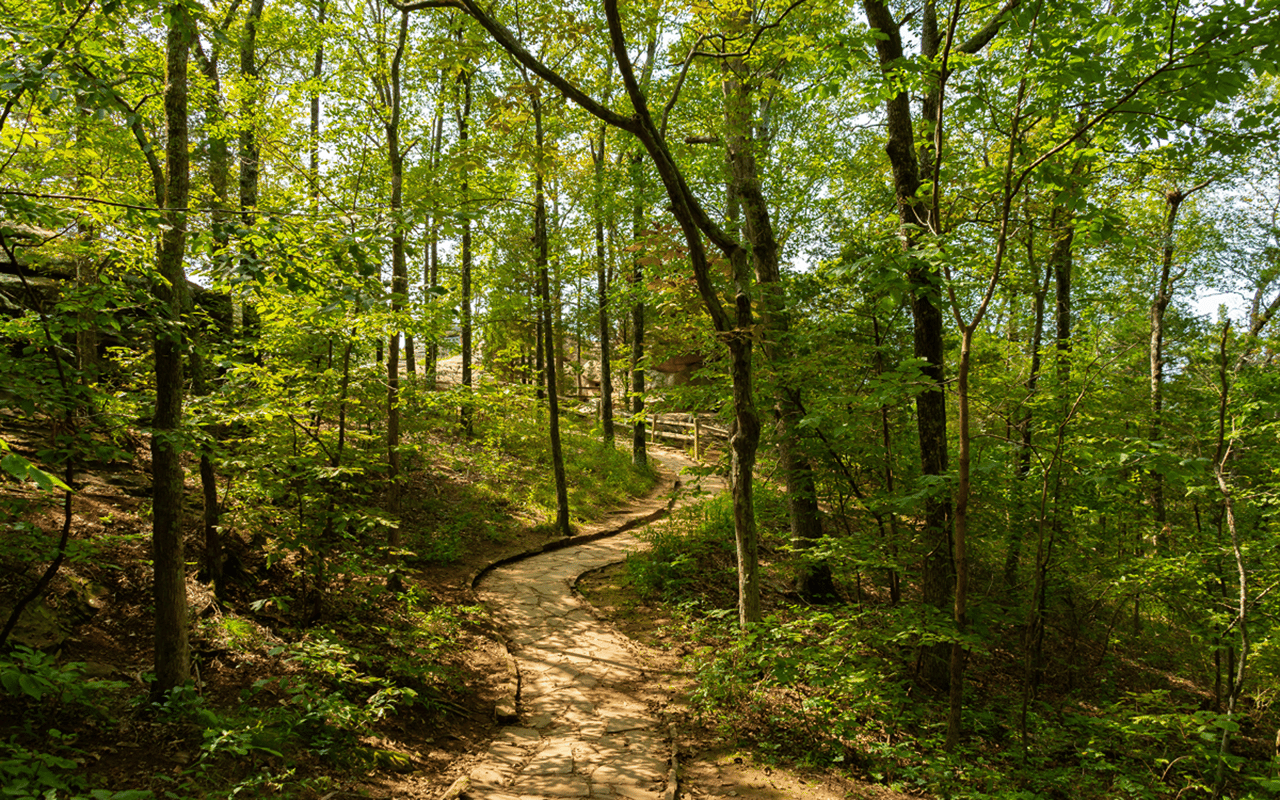
Ask someone what there is to do near Park Falls, Wisconsin, and hunting is probably the first answer.

Most buyers skim past it or assume it only matters if they're planning to farm the ground commercially.
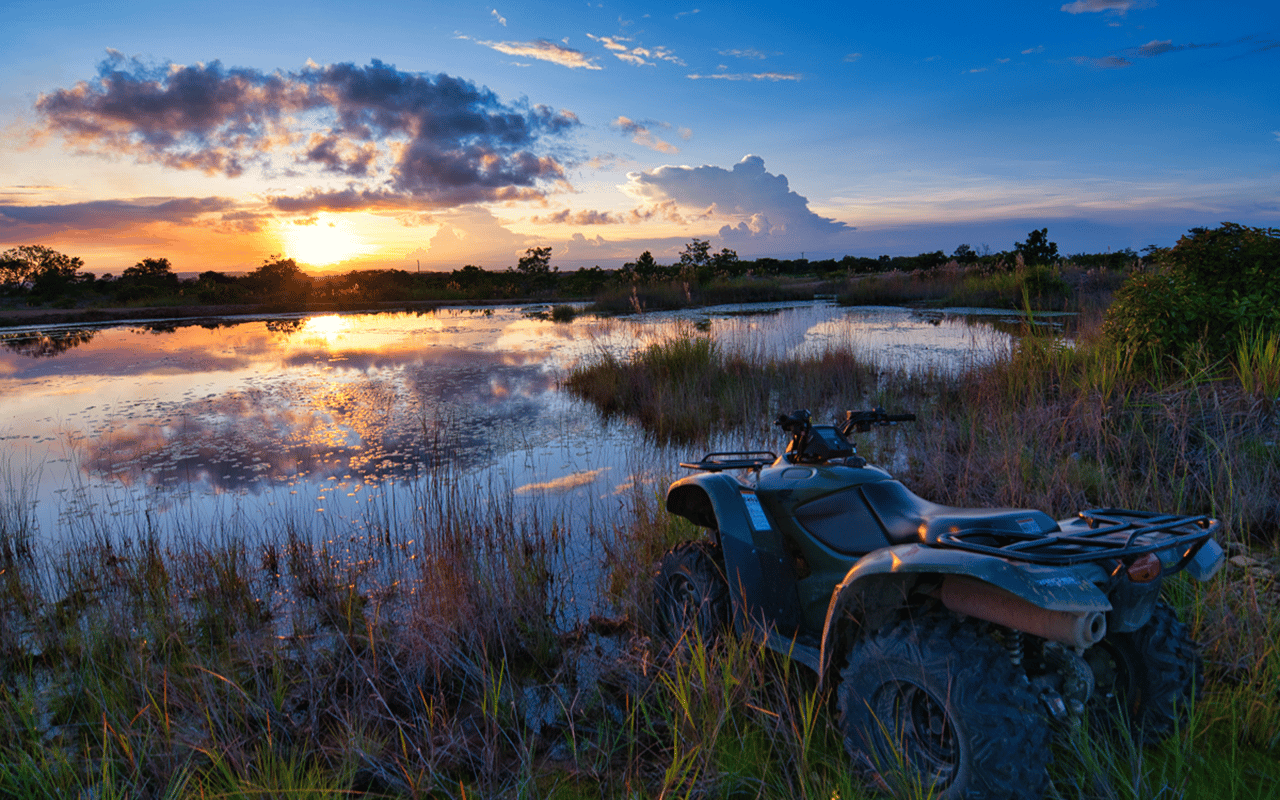
Rural and recreational land doesn't finance quite the same way a traditional home does.
Elevate your property selling journey by working with Matt & Brittany Schultz, bringing decades of hands-on land, waterfront, and financing experience to help you maximize your property's value.
United Country Real Estate
1133 4th Ave S, PO Box 434 Park Falls, WI 54552