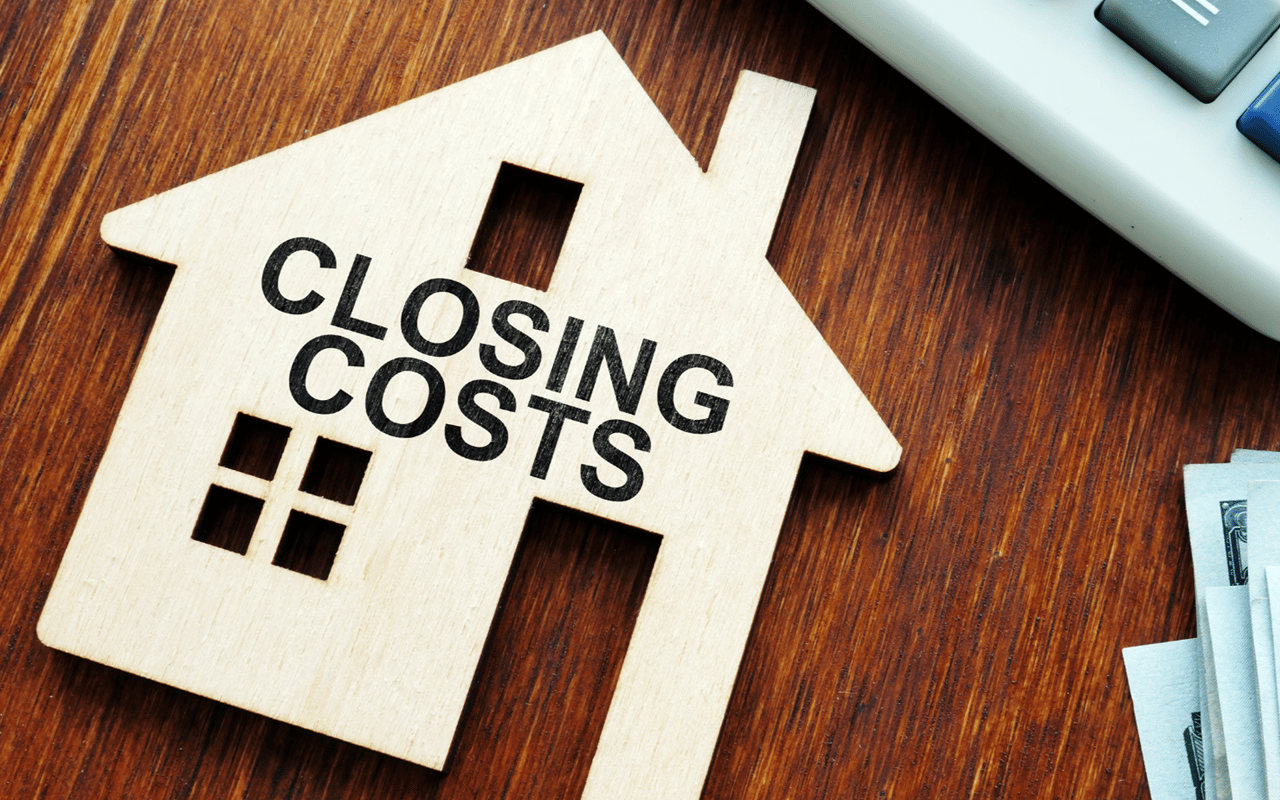
Navigating Closing Costs: Essential Information for Buyers and Sellers
Shannon Murphy December 18, 2024
Shannon Murphy December 18, 2024
When buying or selling a home, closing costs are an important but often overlooked part of the process. These fees can significantly impact the total amount you pay or receive at closing, and without proper understanding, they may catch you off guard. In this blog, we’ll explore what closing costs are, how they apply to both buyers and sellers, and how to prepare for them to ensure a smoother transaction.
Closing costs are fees and expenses paid during the completion of a real estate transaction, typically due at the closing or settlement. These costs can vary widely depending on factors like the property price, location, and type of loan, but they generally range from 2% to 5% of the purchase price for buyers, and 6% to 10% for sellers. Both buyers and sellers will face different closing costs, so it’s important to understand your responsibilities to avoid surprises.
As a buyer, you will encounter several closing costs that can add up to a significant amount. Typically, these costs range from 2% to 5% of the home’s purchase price. Below are some of the most common expenses buyers should be prepared for:
Lenders charge a fee for processing your mortgage application, known as loan origination fees. This can be between 0.5% and 1% of the loan amount.
An appraisal is typically required by the lender to ensure the property’s value matches the loan amount. This fee generally ranges from $300 to $700, though it can vary depending on the property size and location.
Home inspections are crucial for understanding the condition of a property before purchasing it. Buyers should budget for inspection fees, which can range from $300 to $600, depending on the size and age of the home.
A title search ensures that the property’s title is free of liens or legal claims, and title insurance protects you and the lender from any future issues. Title insurance for buyers usually costs between $300 and $1,000.
In some states, buyers must involve an attorney in the closing process. The costs will vary based on local fees and the complexity of the transaction.
Buyers may need to reimburse the seller for property taxes already paid or prorated, depending on the timing of the closing.
Many buyers set up an escrow account for property taxes and homeowners insurance, and these fees typically run between 1% and 2% of the home’s sale price.
Sellers generally face higher closing costs than buyers. These can typically range from 6% to 10% of the sale price, and can include the following:
The largest closing cost for most sellers is the real estate agent’s commission, usually between 5% and 6% of the sale price. This amount is generally split between the buyer’s and seller’s agents.
After a home inspection, buyers may request repairs or credits. Sellers can agree to pay for repairs or provide a credit for these costs, which will be deducted from their proceeds at closing.
Depending on local laws, the seller may be required to purchase title insurance for the buyer or pay transfer taxes that are due when the property’s ownership is transferred.
If the seller still owes money on their mortgage, part of the proceeds from the sale will be used to pay off the remaining balance.
Some sellers offer a home warranty to attract buyers, especially if the home has older appliances or systems. These typically cost between $300 and $600.
If the property is in a Homeowners Association (HOA), the seller may be responsible for any unpaid fees, or may need to provide HOA documents to the buyer, sometimes for a fee.
Both buyers and sellers should take steps to prepare for closing costs. Here are some tips for avoiding any last-minute surprises:
Closing costs are a significant part of any real estate transaction, and both buyers and sellers need to be prepared for them. By understanding the typical fees, budgeting in advance, and reviewing all documents carefully, you can minimize surprises and keep the process running smoothly. Whether you’re buying your first home or selling your property, being well-informed about closing costs can help you navigate the transaction with confidence.
Stay up to date on the latest real estate trends.

Wisconsin Property Taxes

Wisconsin Land

Chequamegon-Nicolet National Forest
Land Loans in Wisconsin
Elevate your property selling journey by working with Matt & Brittany Schultz, bringing decades of hands-on land, waterfront, and financing experience to help you maximize your property's value.
United Country Real Estate
1133 4th Ave S, PO Box 434 Park Falls, WI 54552