First-Time Land Buyer FAQ: What You Need to Know in Northern Wisconsin
June 12, 2026
June 12, 2026
Buying your first piece of land in Northern Wisconsin is exciting - but it's also a different process than buying a house. Land purchases often come with questions about financing, surveys, and rural utilities like wells and septic systems that you just don't run into with a typical home sale. Here are answers to the questions we hear most often from first-time land buyers.
Traditional mortgages are designed for homes, not vacant land, so financing usually looks a little different. Many buyers use a land loan through a local bank or credit union, which typically requires a larger down payment (often 20-50%) and comes with a shorter term and higher interest rate than a standard mortgage. Another popular option is seller financing, where the landowner acts as the bank, and you make payments directly to them - this is especially common with wooded and recreational acreage up north. If you plan to build soon, a construction loan that converts to a permanent mortgage can also be a good fit. Cash purchases are common for smaller tracts and hunting land, too.
In most cases, yes - and it's worth the investment. A survey confirms the exact boundaries of the property, identifies any encroachments, and can reveal easements or right-of-way issues you'll want to know about upfront. This is especially important for wooded or lake-adjacent parcels, where old fence lines, tree lines, and blazed boundaries may not match the legal description. A current survey protects you from boundary disputes down the road and is often required by lenders and title companies anyway.
If the land doesn't have access to municipal water or sewer (common throughout rural Northern Wisconsin), you'll need a well for water and a septic system for wastewater. Here's what to check before you buy:
Depending on the property, you may also want to look into a timber assessment (very common for wooded acreage up north), shoreland zoning rules if the parcel is near a lake or river, wetland delineation, and flood zone verification through FEMA maps. Your real estate agent can help point you toward the right local resources for each of these.
Land enrolled in Wisconsin's Managed Forest Law (MFL) program can come with significant tax savings, but it also comes with restrictions on building and land use - so check whether the property is currently enrolled and what that means for your plans. Also confirm county zoning before you buy, especially if you're near a lake or wetland, since shoreland zoning rules can affect where and how you can build.
Stay up to date on the latest real estate trends.
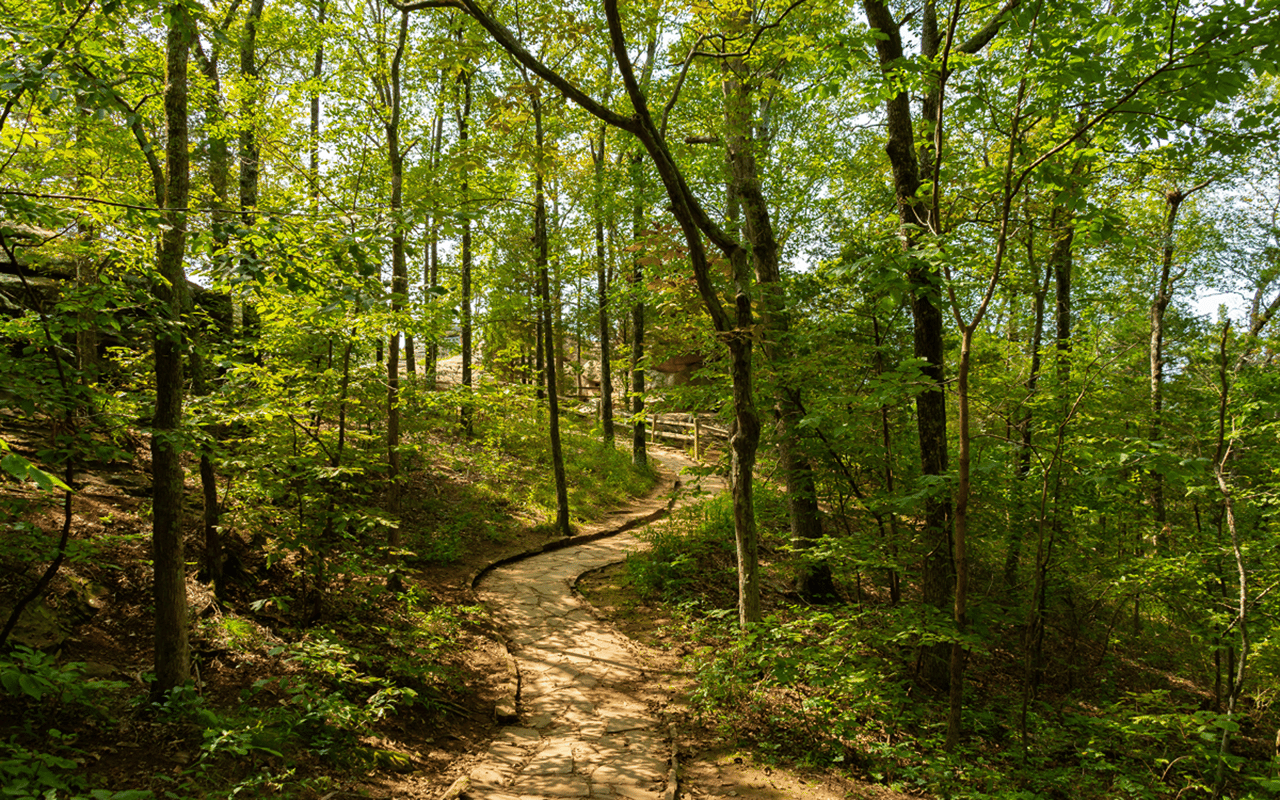
Ask someone what there is to do near Park Falls, Wisconsin, and hunting is probably the first answer.

Most buyers skim past it or assume it only matters if they're planning to farm the ground commercially.
Rural and recreational land doesn't finance quite the same way a traditional home does.
It's happening across the country - and the Park Falls area is feeling it firsthand.

Explore the premier fishing destinations in Park Falls, WI, and discover how you can own your own piece.
Buying your first piece of land in Northern Wisconsin is exciting - but it's also a different process than buying.
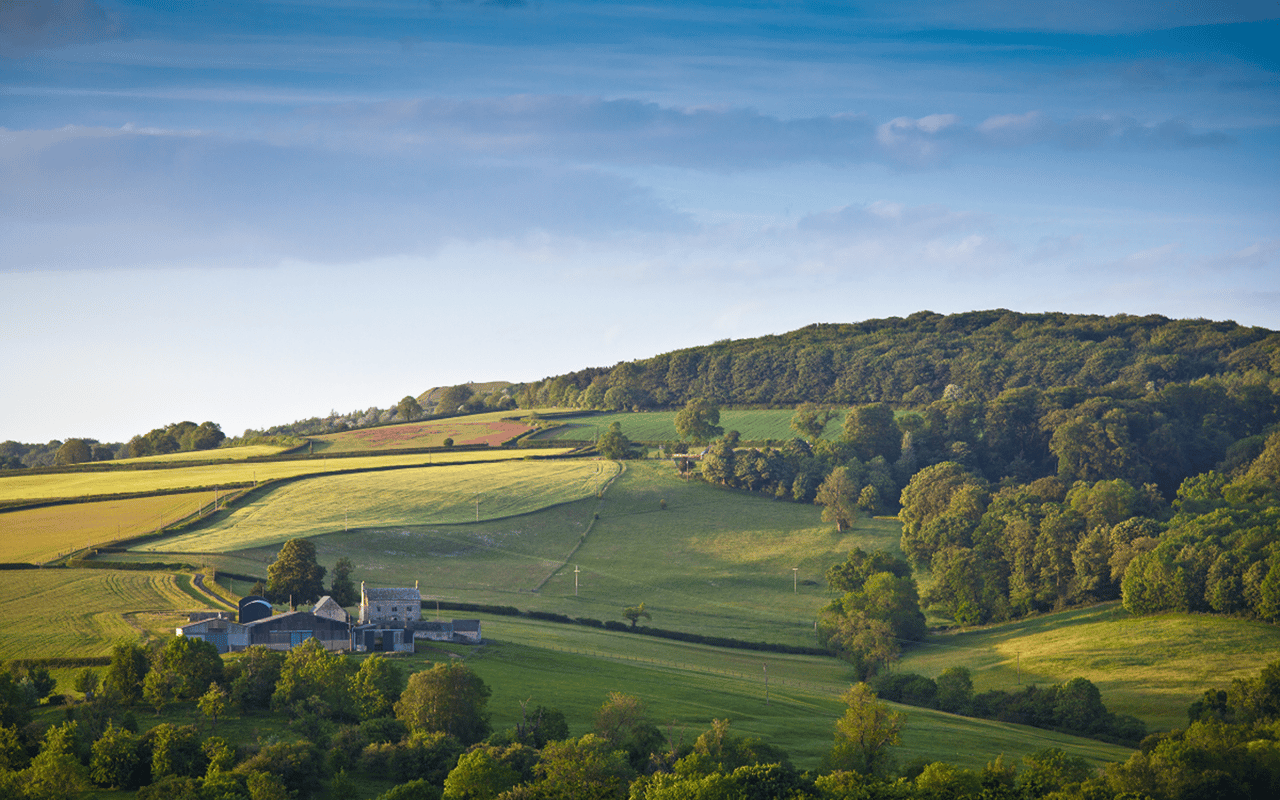
Discover why summer 2026 offers a unique, opportunistic window for homebuyers in Ashland County, Wisconsin.
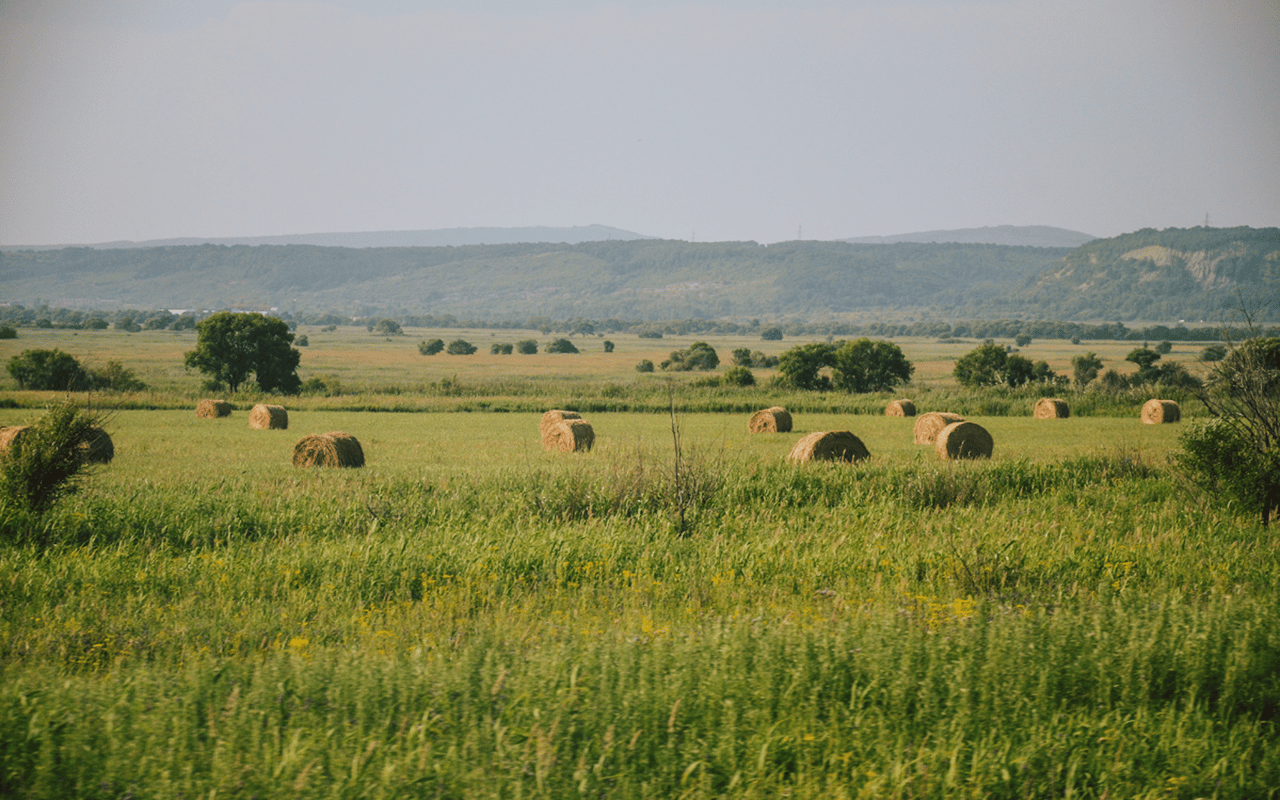
Explore the current market for rural land in Glidden, Wisconsin, and discover why Ashland County remains.
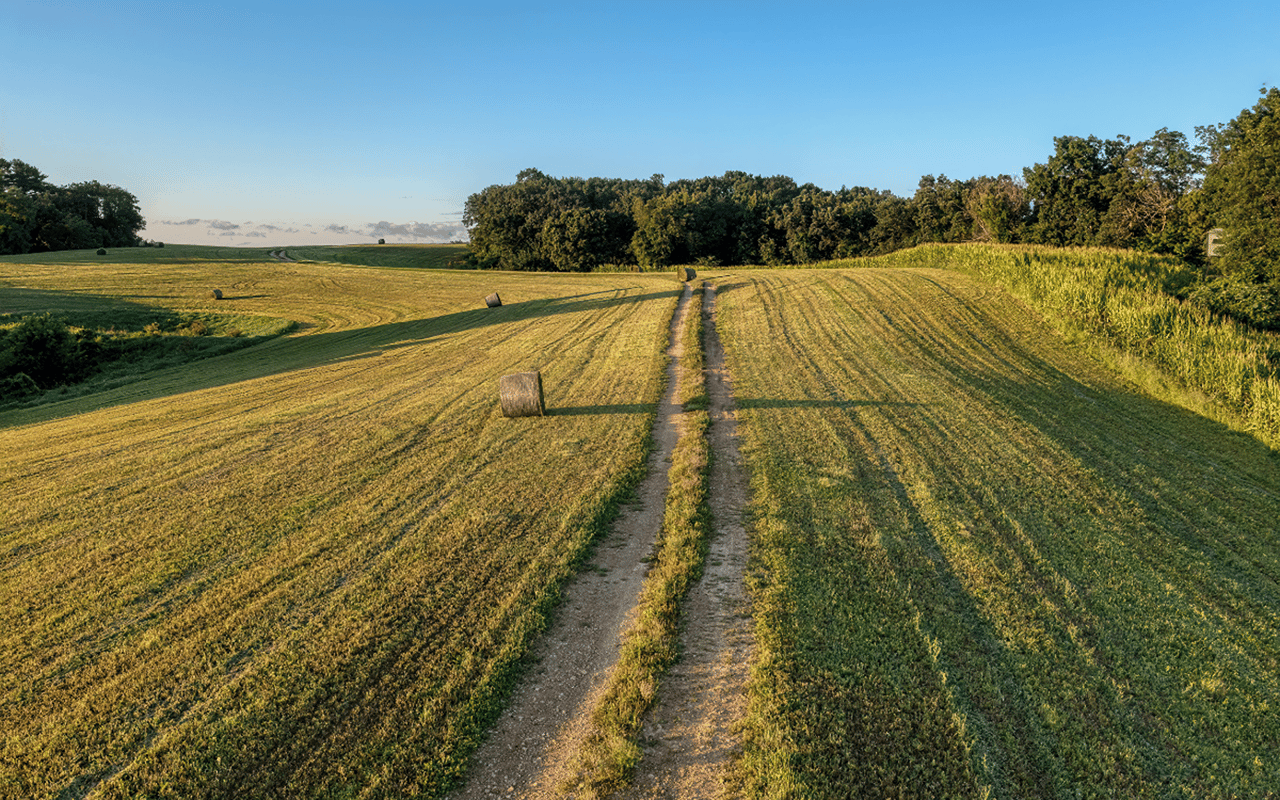
Understand how Conservation Reserve Program (CRP) contracts transfer during land sales in Wisconsin.
Elevate your property selling journey by working with Matt & Brittany Schultz, bringing decades of hands-on land, waterfront, and financing experience to help you maximize your property's value.
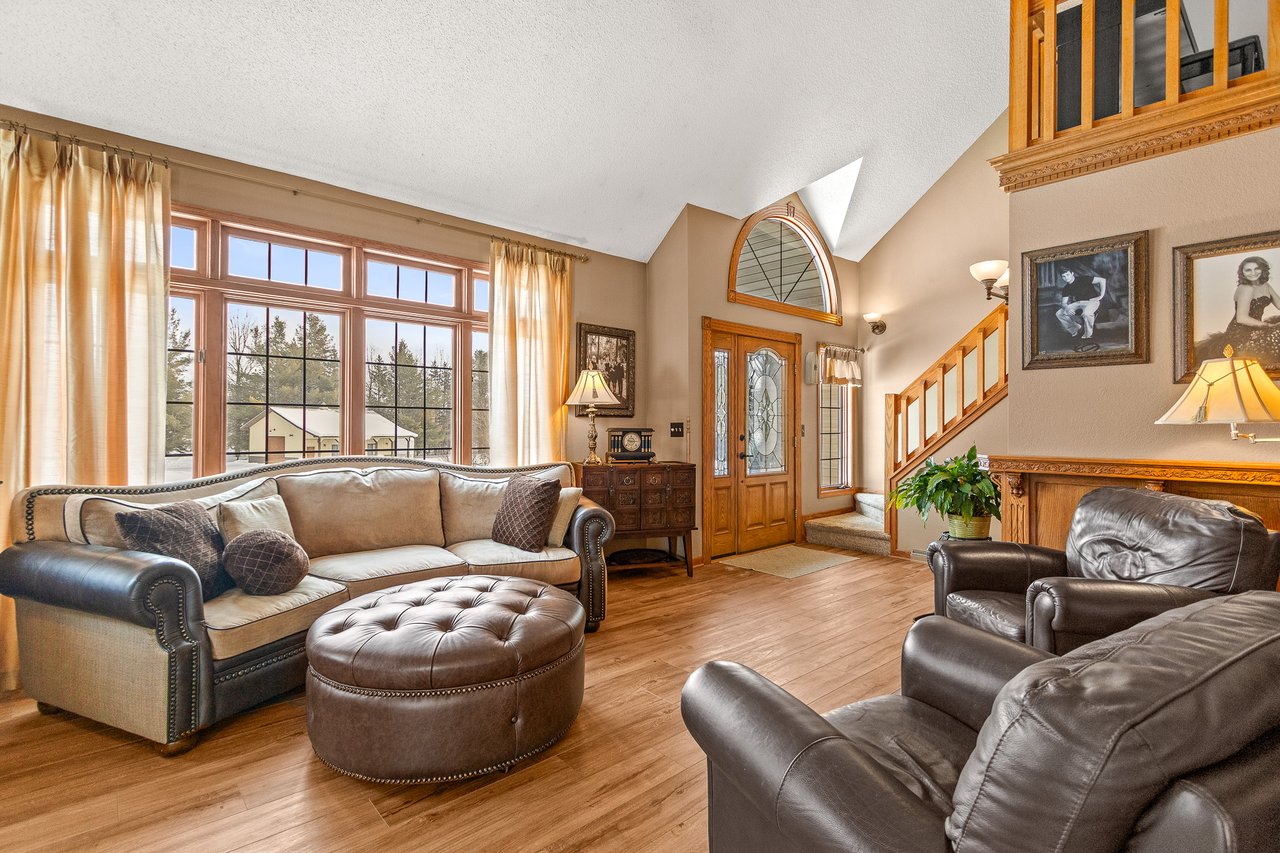
United Country Real Estate
1133 4th Ave S, PO Box 434 Park Falls, WI 54552