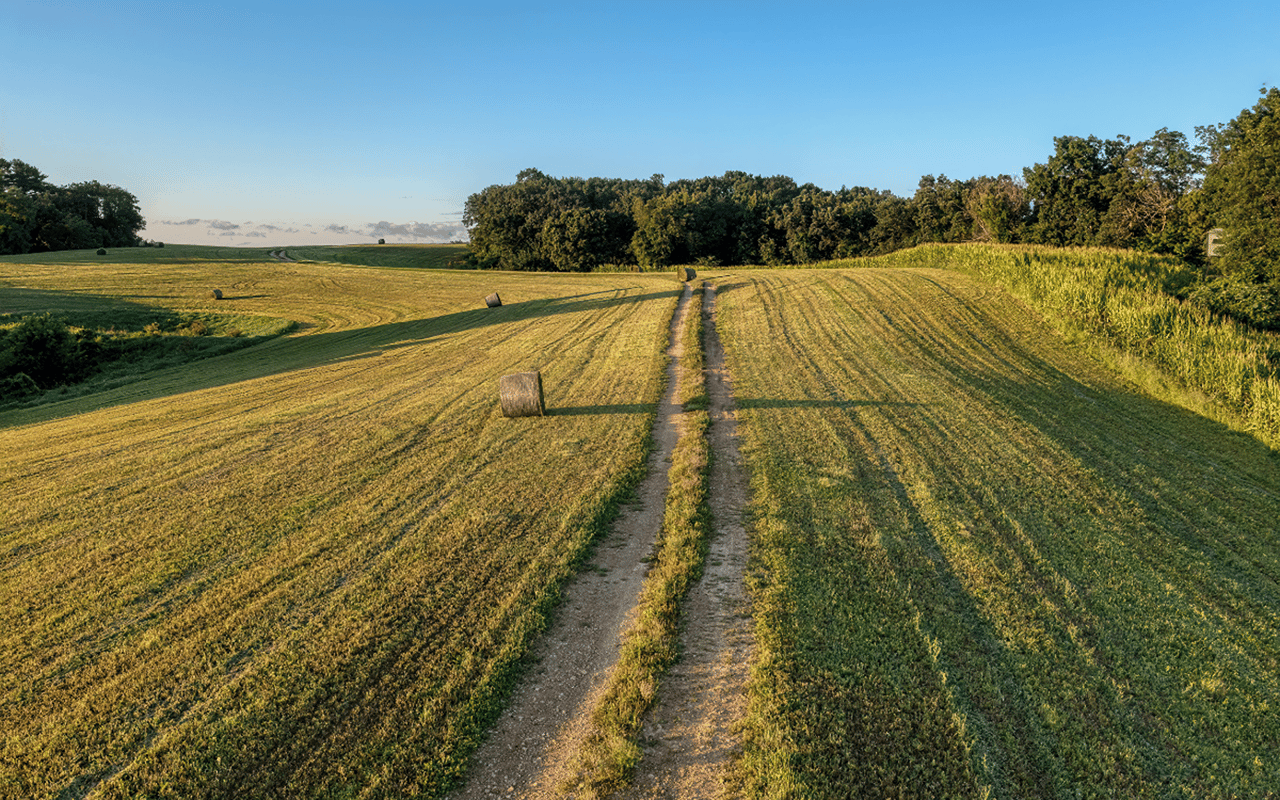
What Happens to a CRP Contract When Land Sells? A Guide for Wisconsin Land Buyers and Sellers
May 22, 2026
May 22, 2026
If you're buying or selling rural land near Park Falls, Wisconsin, there's a good chance you've come across a property enrolled in the Conservation Reserve Program - commonly known as CRP. It's one of the most widely used federal land programs in the upper Midwest, and one of the most misunderstood when it comes to real estate transactions.
So what actually happens to a CRP contract when a property changes hands? Here's what every buyer and seller in the Park Falls area needs to know.
The Conservation Reserve Program is a federal program administered by the USDA Farm Service Agency (FSA). It pays landowners an annual rental rate in exchange for taking environmentally sensitive land out of crop production and establishing long-term conservation cover - typically native grasses, wildflowers, or trees.
Contracts typically run 10 to 15 years and provide guaranteed annual income regardless of commodity prices or weather. For landowners in Price County and the surrounding counties of northern Wisconsin, CRP has long been a valuable source of passive income while simultaneously improving wildlife habitat, protecting water quality, and supporting the long-term health of the land.
Yes - in most cases, a CRP contract transfers with the land when it sells. This is one of the most important things both buyers and sellers need to understand going into a transaction.
When a property enrolled in CRP sells, the new owner generally assumes the existing contract, including all of its obligations. That means the buyer is responsible for maintaining the required conservation cover, following the terms of the contract, and ensuring the land remains in compliance with the FSA through the remainder of the contract period.
The good news for buyers? They also inherit the annual CRP payments for the duration of the contract - providing immediate, reliable income from day one.
When you purchase land with an active CRP contract near Park Falls, you'll need to notify your local FSA office of the ownership change. The FSA will walk you through the process of formally assuming the contract. As the new owner, you'll be expected to:
Failing to comply with the contract terms can result in penalties, repayment of prior CRP payments, and disqualification from future enrollment - so it's important to fully understand what you're taking on before closing.
This is where things can get a little nuanced, and it's worth discussing with your real estate agent and closing team ahead of time. CRP payments are typically made annually by the USDA, and the question of how those payments are handled at closing depends on timing.
In many transactions, CRP income is pro-rated between the seller and buyer based on the closing date - similar to how property taxes are handled. If the seller has already received the annual payment for the current year, a portion may be credited to the buyer at closing. Every transaction is a little different, so it's important to address this early in the negotiation process to avoid surprises.
Yes, but it comes at a cost. Early termination of a CRP contract generally requires repayment of all CRP payments received, plus interest and a penalty. This is rarely the right move financially, and most buyers are better served by honoring the existing contract and re-evaluating at expiration.
There are limited circumstances - such as a qualifying hardship - where the FSA may approve early termination without full penalties, but these situations are the exception rather than the rule.
When a CRP contract expires, the new landowner has several options:
Re-enroll in CRP. If the land still qualifies and a signup period is open, re-enrollment is often the most financially attractive option - particularly for ground that has matured into productive wildlife habitat or serves as a natural buffer along the rivers, wetlands, and forest edges that define so much of Price County's landscape.
Return it to crop production. If the ground has suitable soils and farming potential, some landowners choose to put it back into agricultural production or lease it to a neighboring farm operation after the contract ends.
Leave it as habitat. Many landowners - particularly those using the property for hunting, fishing, and recreation - choose to maintain the established cover without re-enrolling, preserving the outstanding wildlife benefits that northern Wisconsin's CRP ground is well known for producing.
Price County and the surrounding counties of northern Wisconsin offer some of the most scenic and diverse rural land in the state. The mix of wetlands, timber, open agricultural ground, and river corridors throughout this region makes it particularly well-suited for CRP enrollment - and that enrolled acreage can significantly affect both the income potential and the recreational value of a property.
For buyers interested in hunting and recreational land, the whitetail deer, black bear, ruffed grouse, and waterfowl hunting in and around Park Falls is exceptional, and CRP ground plays a major role in creating and sustaining that habitat. The Flambeau River, Turtle-Flambeau Flowage, and countless lakes and wetlands throughout Price County add even further appeal for outdoor enthusiasts and land buyers seeking a true Northwoods experience. For investors and farm operators, the guaranteed annual income that transfers with a CRP contract can be a meaningful part of the overall return on a northern Wisconsin land purchase.
Understanding the status of any CRP contract - how much time remains, what the annual payment is, and what the re-enrollment potential looks like - is a critical part of evaluating any rural land purchase near Park Falls.
Navigating CRP, understanding how it affects land value, and knowing the right questions to ask before you buy or sell takes local knowledge and experience. Our team works with rural landowners, investors, and buyers across Park Falls and Price County every day, helping them make smart, informed decisions about Wisconsin farmland, Northwoods acreage, and recreational properties.
Whether you're selling a farm with active CRP, purchasing land with an existing contract, or simply trying to understand how the program might affect a property you're considering - we're here to help.
Contact us today to connect with a local land specialist who knows this market.
Stay up to date on the latest real estate trends.
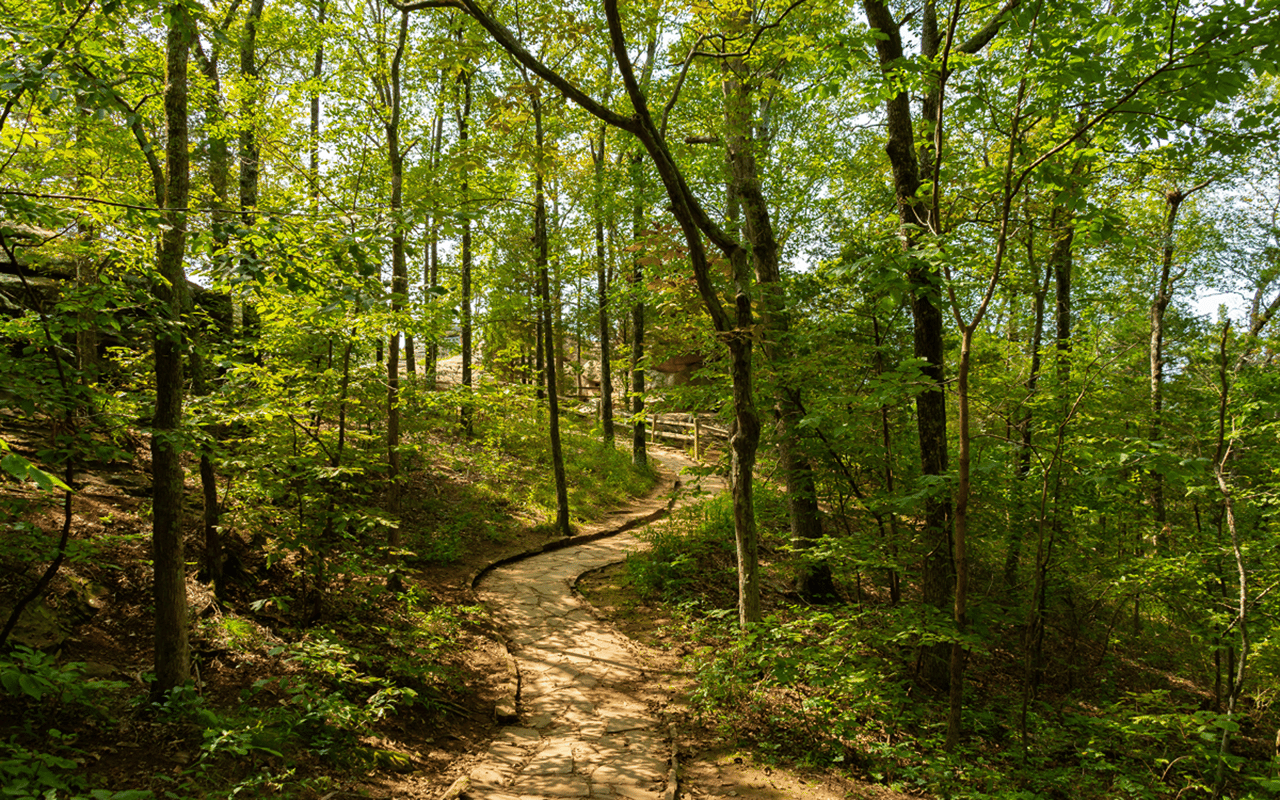
Ask someone what there is to do near Park Falls, Wisconsin, and hunting is probably the first answer.

Most buyers skim past it or assume it only matters if they're planning to farm the ground commercially.

Rural and recreational land doesn't finance quite the same way a traditional home does.
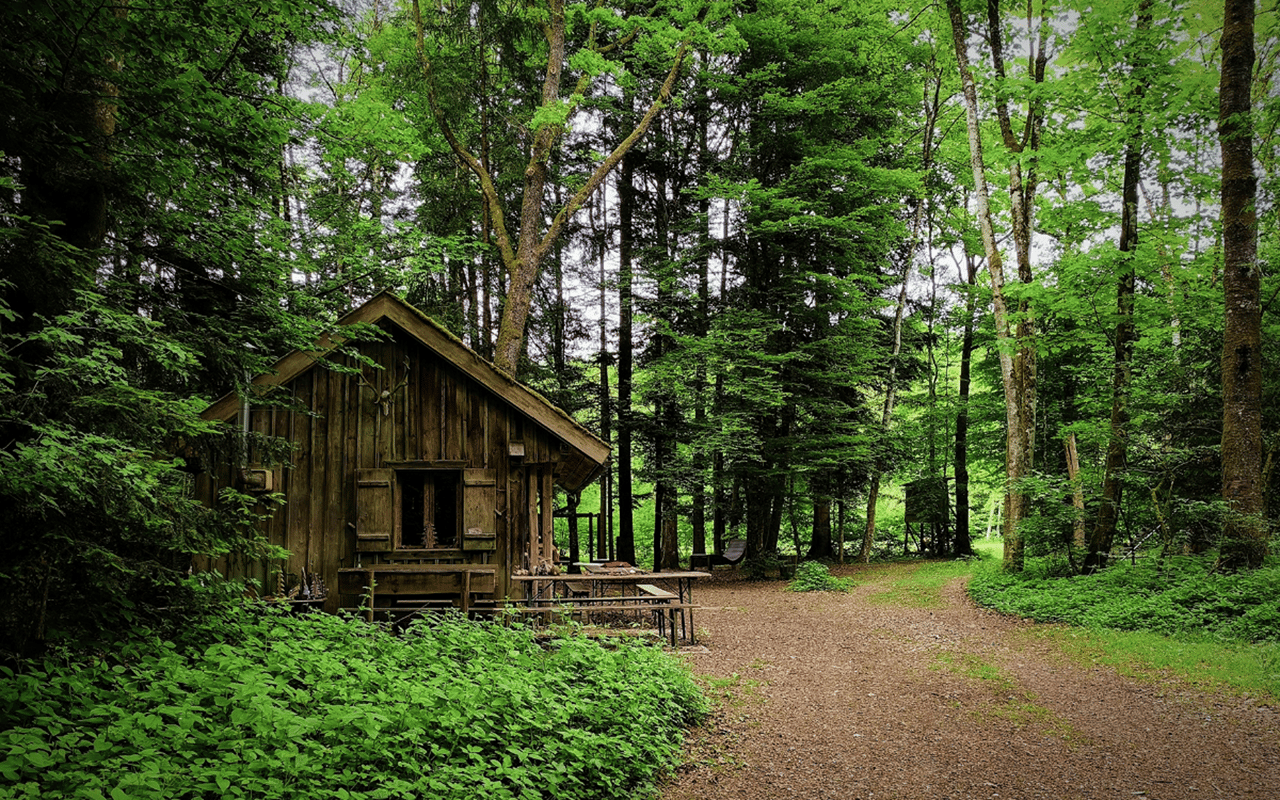
It's happening across the country - and the Park Falls area is feeling it firsthand.

Explore the premier fishing destinations in Park Falls, WI, and discover how you can own your own piece.
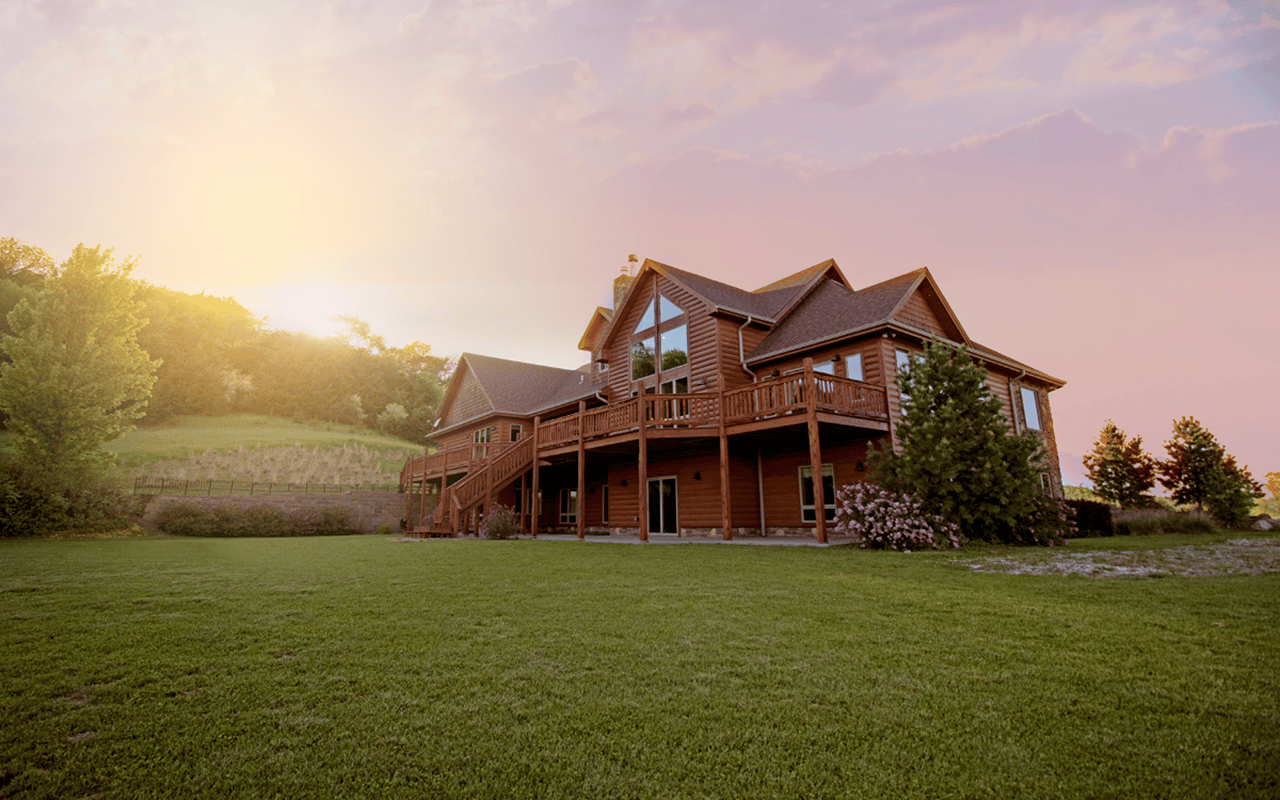
Buying your first piece of land in Northern Wisconsin is exciting - but it's also a different process than buying.
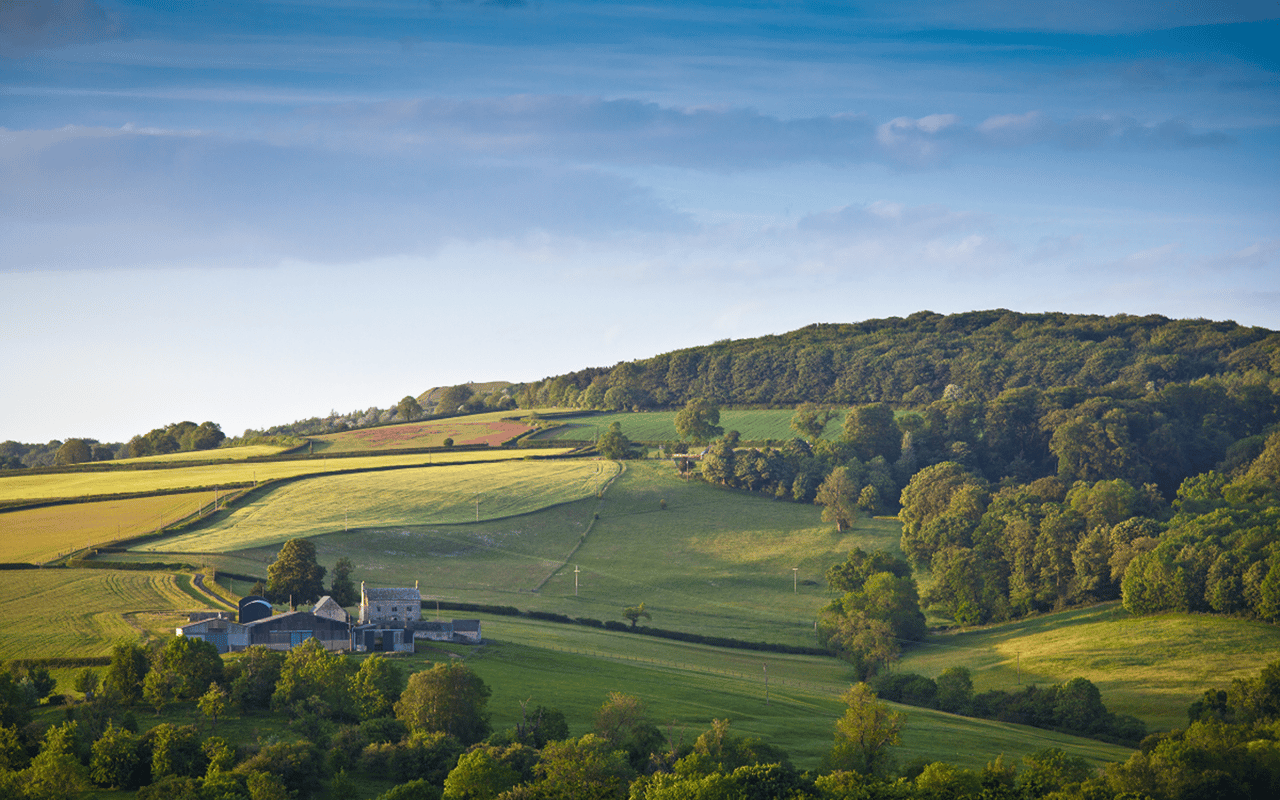
Discover why summer 2026 offers a unique, opportunistic window for homebuyers in Ashland County, Wisconsin.
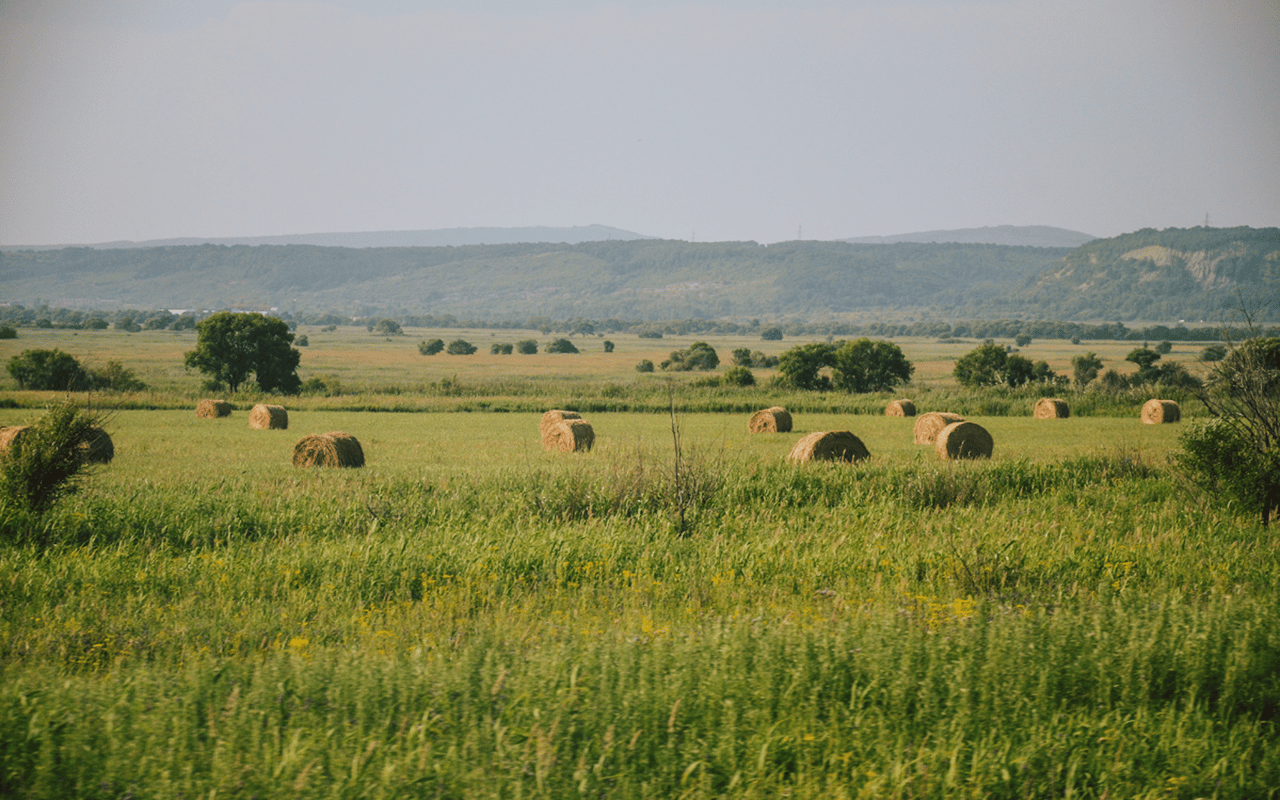
Explore the current market for rural land in Glidden, Wisconsin, and discover why Ashland County remains.
Understand how Conservation Reserve Program (CRP) contracts transfer during land sales in Wisconsin.
Elevate your property selling journey by working with Matt & Brittany Schultz, bringing decades of hands-on land, waterfront, and financing experience to help you maximize your property's value.
United Country Real Estate
1133 4th Ave S, PO Box 434 Park Falls, WI 54552