
The Hidden Costs of Buying a Home Nobody Talks About
April 19, 2026
April 19, 2026
So you've been pre-approved, found the perfect property, and you're ready to make your move. You know your purchase price, you've budgeted for your down payment, and you feel confident heading into the process. But then - somewhere between the offer and the closing table - numbers start appearing that nobody warned you about.
You're not alone. It happens to buyers every single day, and it catches even the most prepared people off guard. Whether you're purchasing a northwoods cabin on a pristine Wisconsin lake, a hobby farm in the rolling countryside, or a home in a welcoming small town, these hidden costs are real - and knowing about them ahead of time can save you a serious headache.
Here's what to watch for.
Most buyers hear the term "closing costs" and assume it's a small, manageable fee. In reality, closing costs typically run between 2% and 5% of your loan amount. On a $250,000 home, that's anywhere from $5,000 to $12,500 - due at closing, on top of your down payment.
In Wisconsin, closing costs can include:
Always ask your lender for a Loan Estimate early in the process so you're never blindsided at the closing table.
Before you finalize any purchase, a home inspection is one of the smartest investments you can make - but it does come with a cost. In Wisconsin, a standard home inspection typically runs between $350 and $600, depending on the size, age, and location of the property - and older rural homes or cabins often run on the higher end.
And that's just the general inspection. If the inspector flags potential issues, you may also need:
These can add several hundred dollars to your upfront costs, but they're worth every penny. In Wisconsin, a septic inspection and radon test are essentially standard practice - not optional extras.
If you're buying rural property in Wisconsin - and the Badger State has some of the most beautiful and accessible rural land in the Midwest - you need to pay very close attention to the well and septic system. Unlike city properties connected to municipal water and sewer, rural homes rely on private systems that are entirely the homeowner's responsibility.
What makes this especially important in Wisconsin is that the state has strict private onsite wastewater treatment system (POWTS) regulations, and many counties require a septic inspection and compliance certificate before a property can transfer. If the system is found to be non-compliant, it may need to be repaired or replaced before closing - a cost that can range from a few thousand to $20,000 or more depending on the system type, soil conditions, and lot size.
A well inspection and water quality test can run $150–$500. In agricultural areas of Wisconsin, testing for nitrates and other agricultural contaminants in well water is especially important. Always know exactly what you're buying before you close.
Wisconsin's property tax rates are among the higher ones in the Midwest, and buyers are sometimes surprised by the annual totals - particularly on lakefront properties, larger acreage tracts, or homes in areas with strong school districts. Taxes are assessed at the local level and can vary significantly from one municipality to the next, even within the same county.
Additionally, at closing you may be required to prepay several months of property taxes into an escrow account. Your lender will build this into your monthly payment going forward, but the upfront escrow deposit can catch first-time buyers off guard. Always review the current and prior year tax bills before making an offer - and ask about any exemptions you may qualify for, such as the Wisconsin Lottery and Gaming Credit or the First Dollar Credit.
Lenders require homeowner's insurance before they'll fund your loan - and in Wisconsin, the climate plays a meaningful role in your premium. Heavy snow loads, ice dams, severe spring storms, and the occasional tornado all factor into how carriers price their policies in the Badger State.
A few things to keep in mind:
Start shopping for insurance early in the process so you're not scrambling at the last minute.
This one is Wisconsin-specific and cannot be overstated. Owning property in a state with winters like ours comes with real, recurring costs that buyers - especially those relocating from warmer climates - consistently underestimate. Budget for:
If you're purchasing lakefront or waterfront property in Wisconsin - one of the most popular and competitive segments of the state's real estate market - be aware that the Wisconsin DNR and local counties have specific regulations around:
Making changes to your shoreline, adding a boathouse, or expanding a dock without the proper permits can result in fines and costly remediation. Always work with an agent who knows the local shoreline rules inside and out before you make an offer on waterfront property.
It sounds obvious, but moving expenses are consistently underestimated. Whether you're hiring a moving company or renting a truck, costs can range from a few hundred dollars for a local move to well over $2,000–$5,000 for a long-distance relocation. Factor this in early - especially if you're relocating to northern Wisconsin from the Milwaukee or Madison metro areas, or from out of state entirely.
Even a move-in ready home may come with a running to-do list from day one. New locks, paint, appliances, landscaping, or deferred maintenance items can add up quickly. On rural Wisconsin properties, fencing, outbuilding repairs, dock installation or repair, shoreline maintenance, food plot establishment, and driveway upkeep are all additional considerations that buyers often don't think about until they're holding the keys.
While many rural Wisconsin properties have no HOA, lake associations are very common throughout the state - and they come with fees and rules. Lake association dues can range from modest annual assessments to several hundred dollars per year, and they sometimes govern dock placement, watercraft use, shoreline alterations, and more. Always ask about any association memberships, fees, or restrictions before you make an offer - and read the association documents carefully.
Buying a home or property in Wisconsin is one of the most rewarding decisions you'll ever make - and it should be. But going in with a clear, realistic picture of ALL the costs involved is what separates a smooth transaction from a stressful one. As a general rule of thumb, plan to have 3–5% of your purchase price set aside beyond your down payment to cover the costs outlined above.
Working with an experienced local real estate agent who knows the Wisconsin market - especially the rural, lakefront, cabin, and lifestyle property space - is one of the best ways to make sure nothing catches you off guard. We're here to walk you through every step of the process, from pre-approval to closing day and beyond.
Stay up to date on the latest real estate trends.
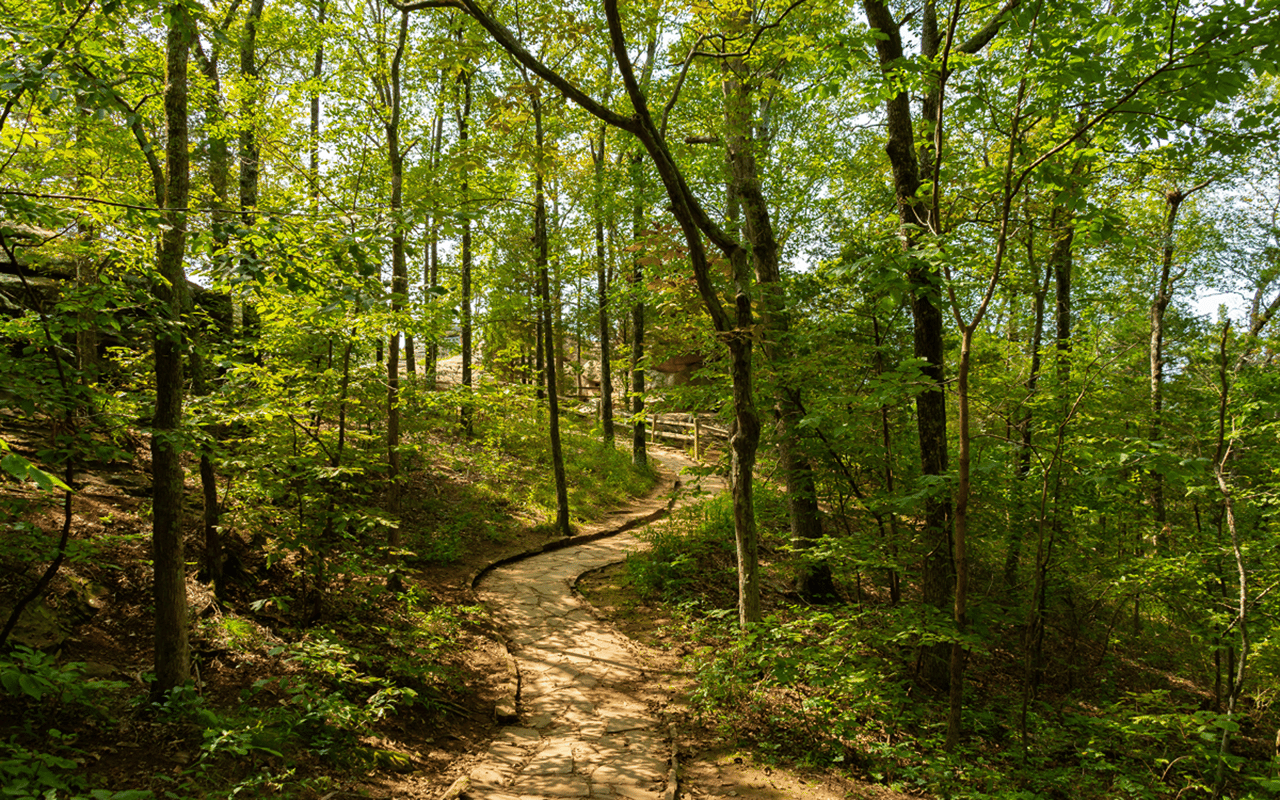
Ask someone what there is to do near Park Falls, Wisconsin, and hunting is probably the first answer.

Most buyers skim past it or assume it only matters if they're planning to farm the ground commercially.
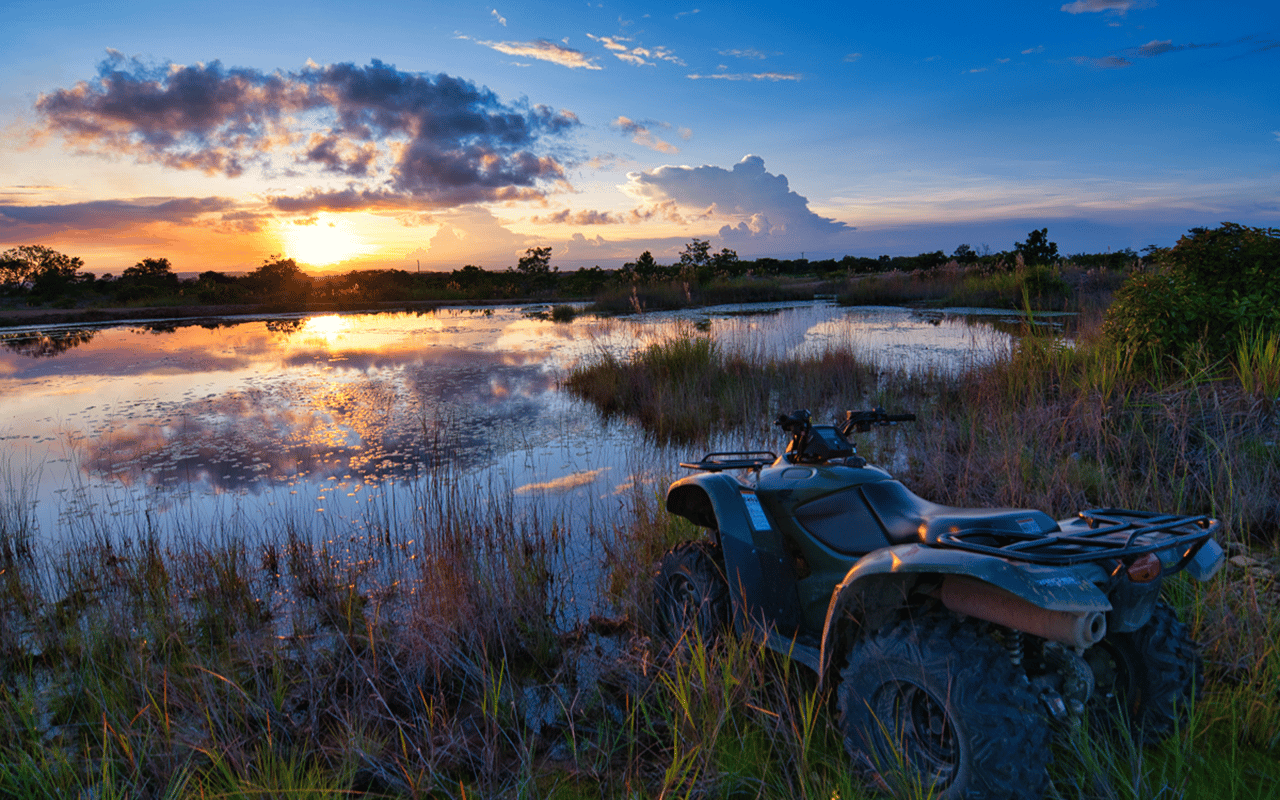
Rural and recreational land doesn't finance quite the same way a traditional home does.
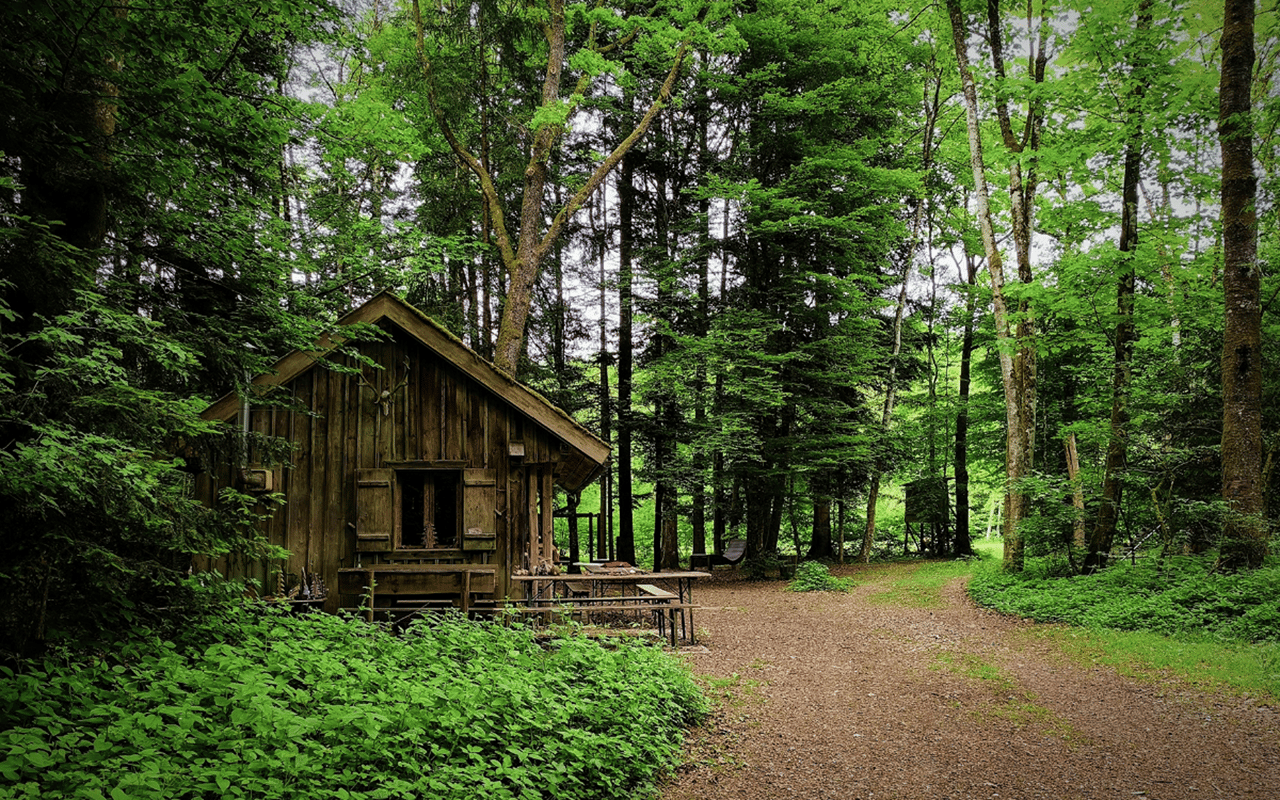
It's happening across the country - and the Park Falls area is feeling it firsthand.
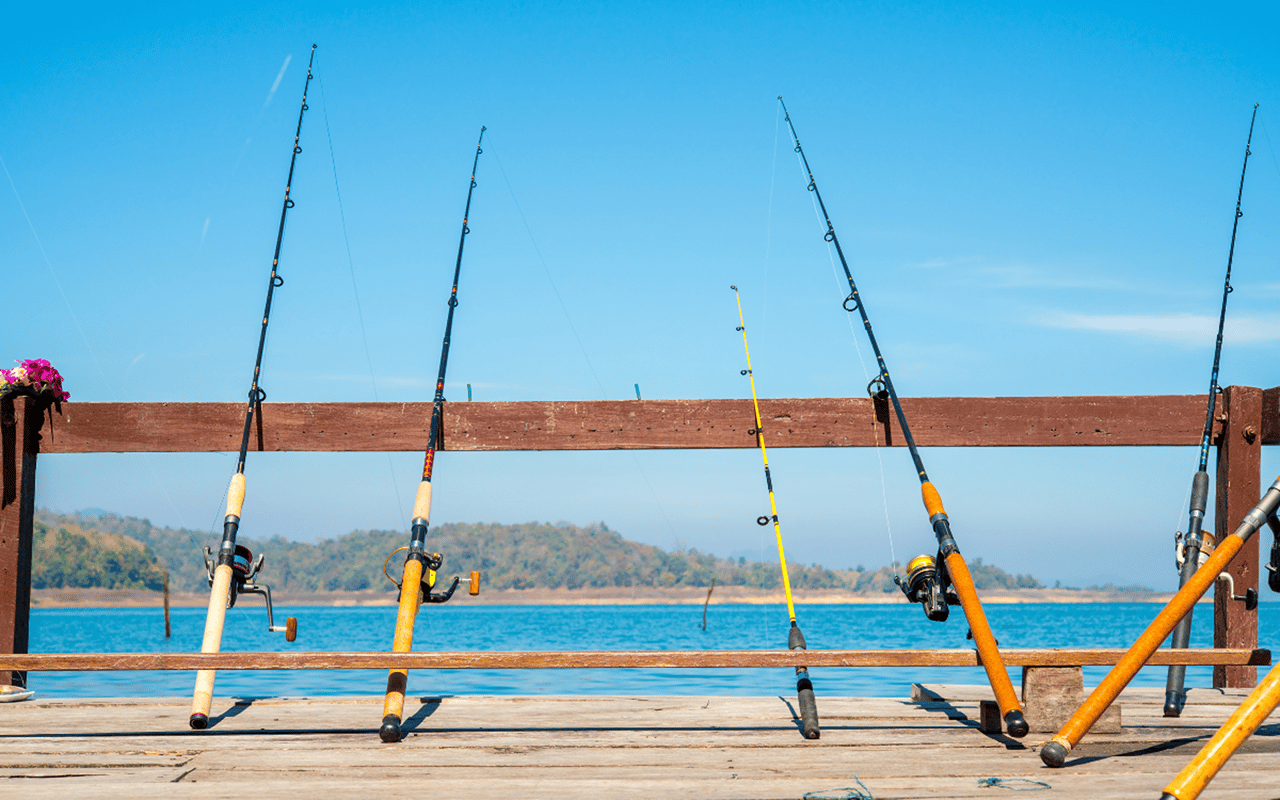
Explore the premier fishing destinations in Park Falls, WI, and discover how you can own your own piece.
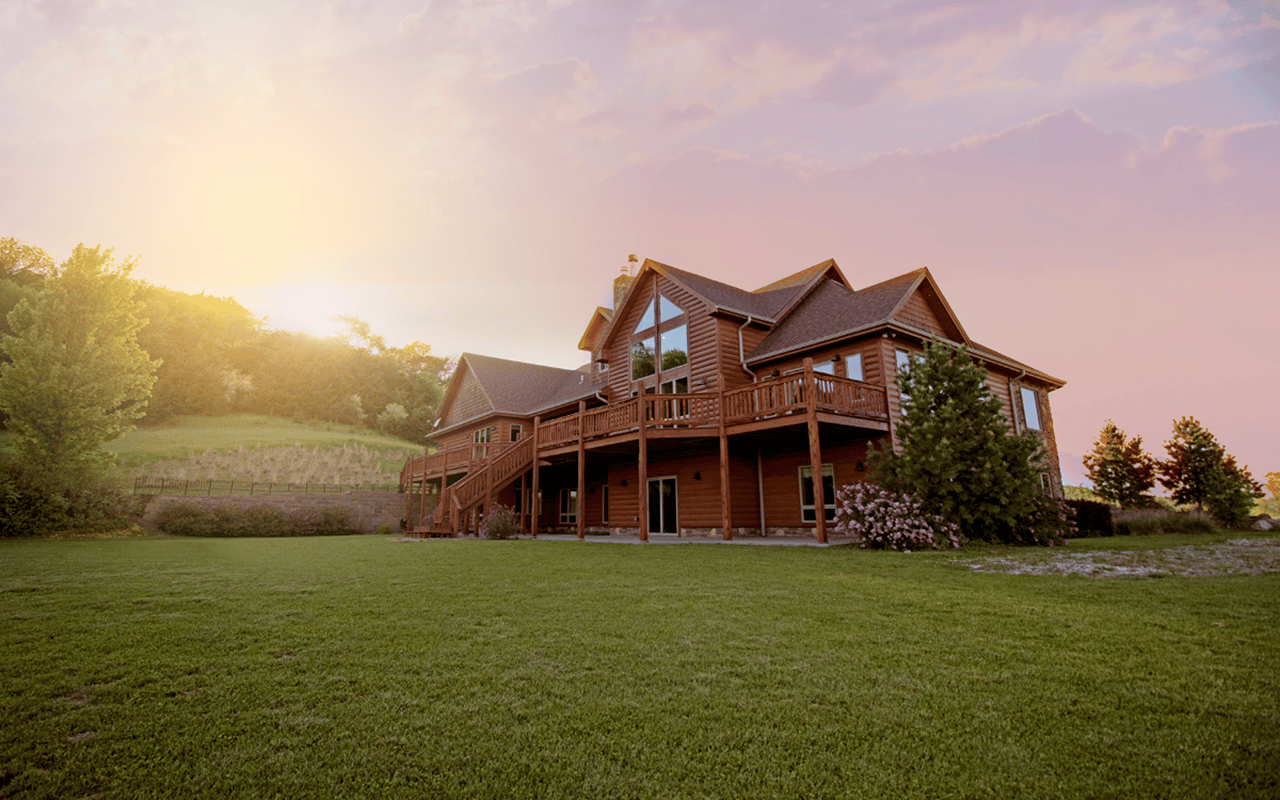
Buying your first piece of land in Northern Wisconsin is exciting - but it's also a different process than buying.
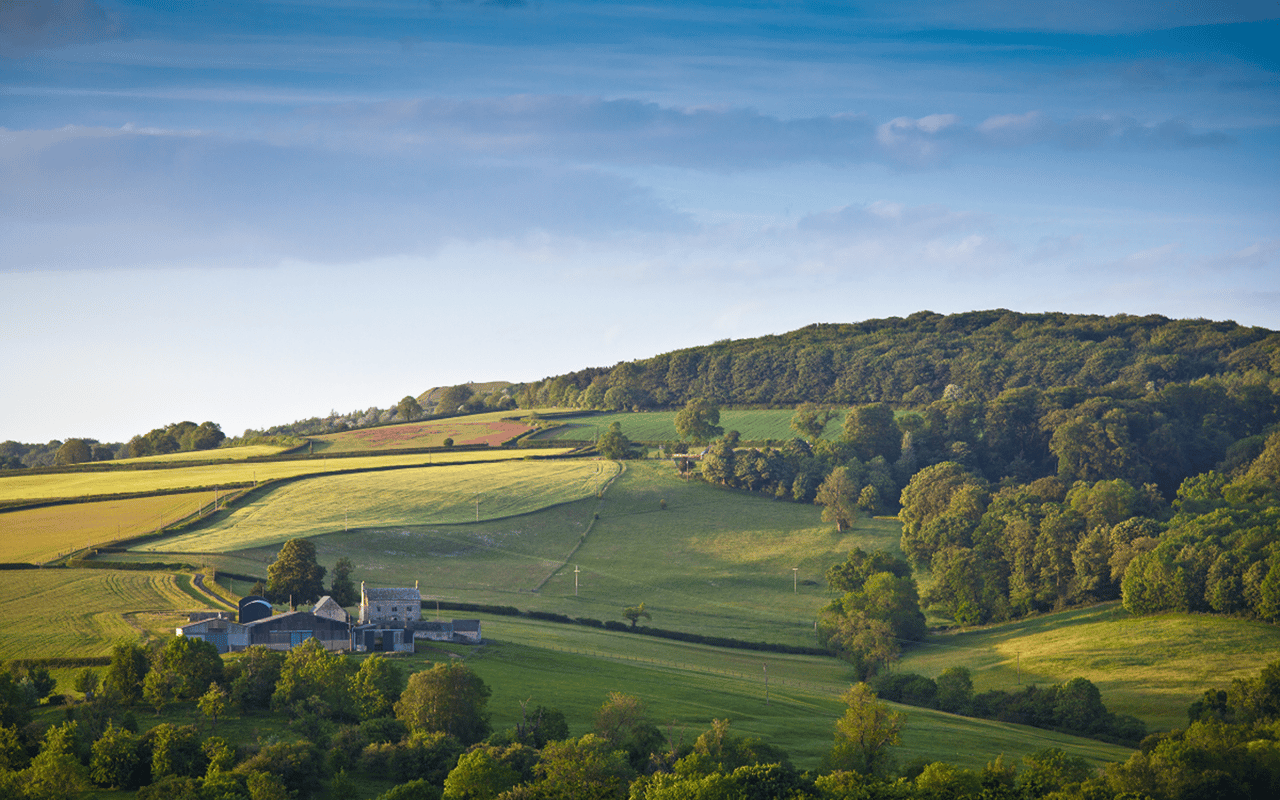
Discover why summer 2026 offers a unique, opportunistic window for homebuyers in Ashland County, Wisconsin.
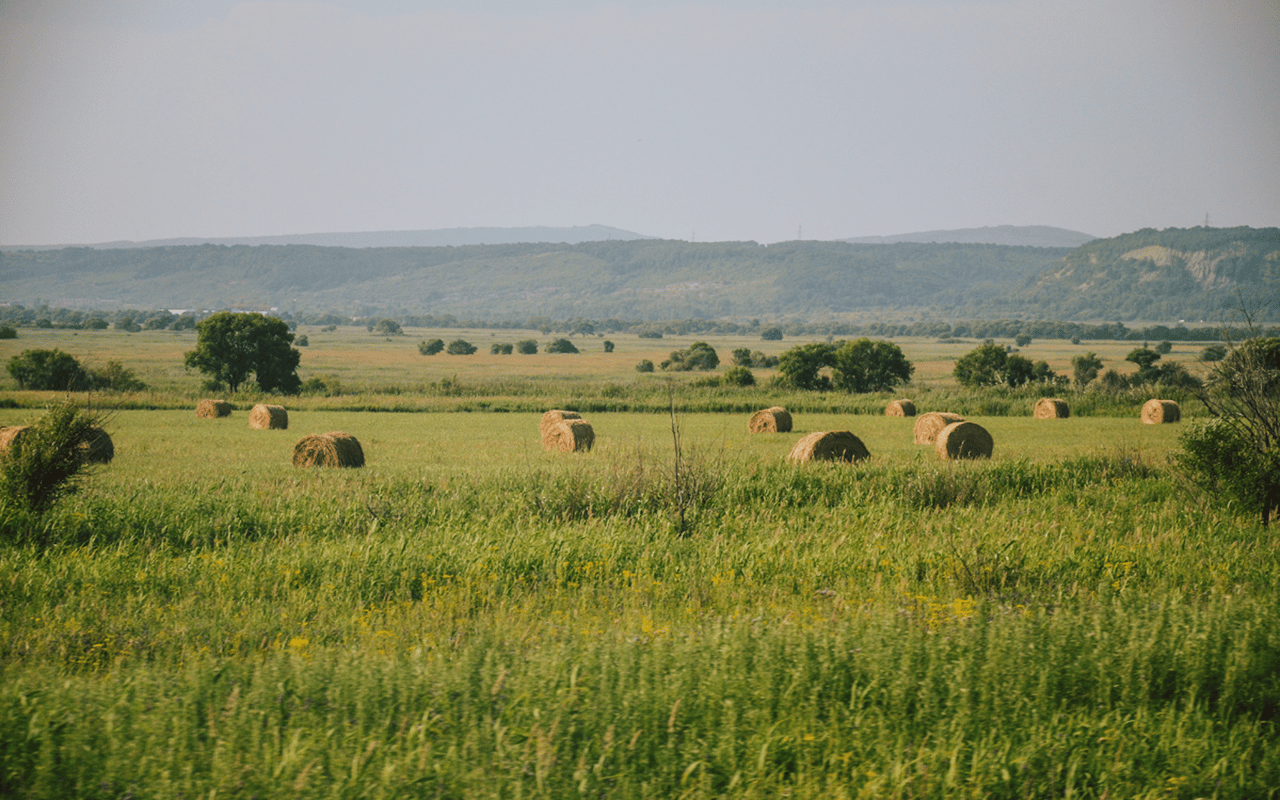
Explore the current market for rural land in Glidden, Wisconsin, and discover why Ashland County remains.
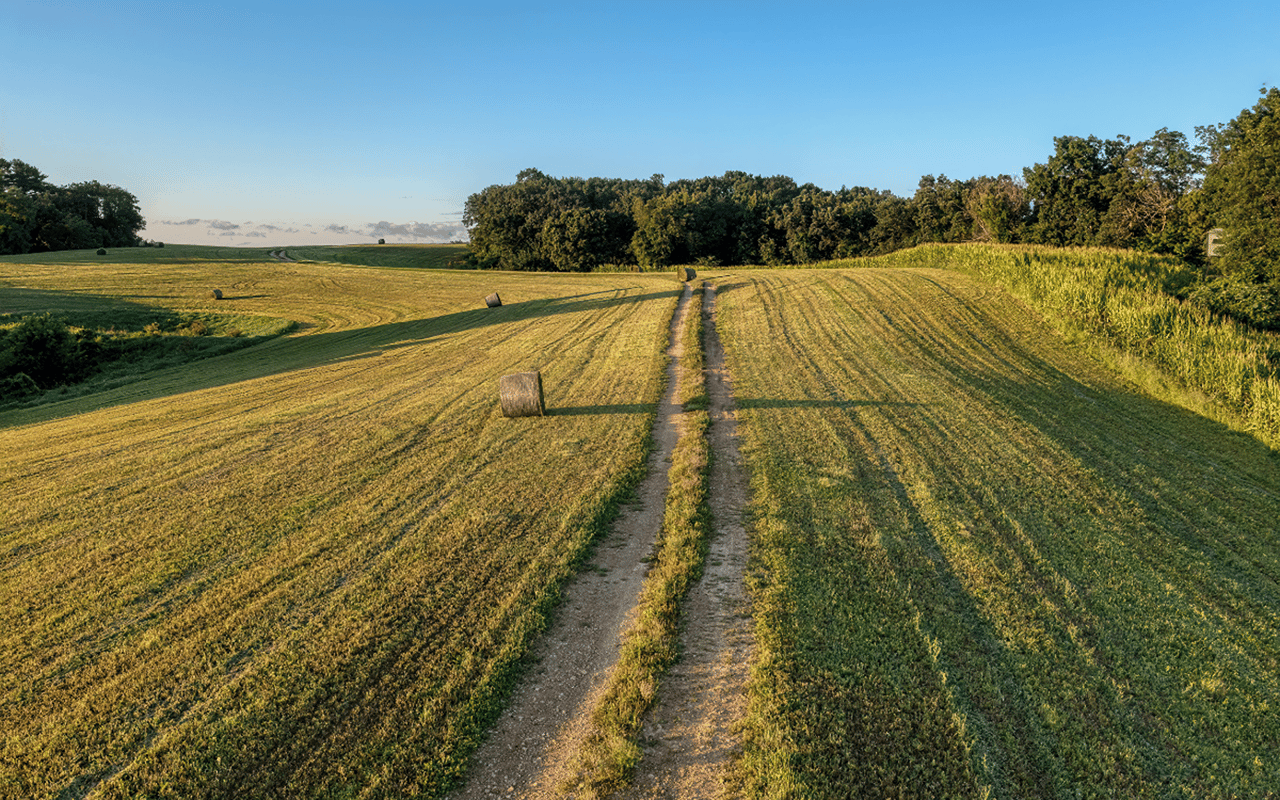
Understand how Conservation Reserve Program (CRP) contracts transfer during land sales in Wisconsin.
Elevate your property selling journey by working with Matt & Brittany Schultz, bringing decades of hands-on land, waterfront, and financing experience to help you maximize your property's value.
United Country Real Estate
1133 4th Ave S, PO Box 434 Park Falls, WI 54552