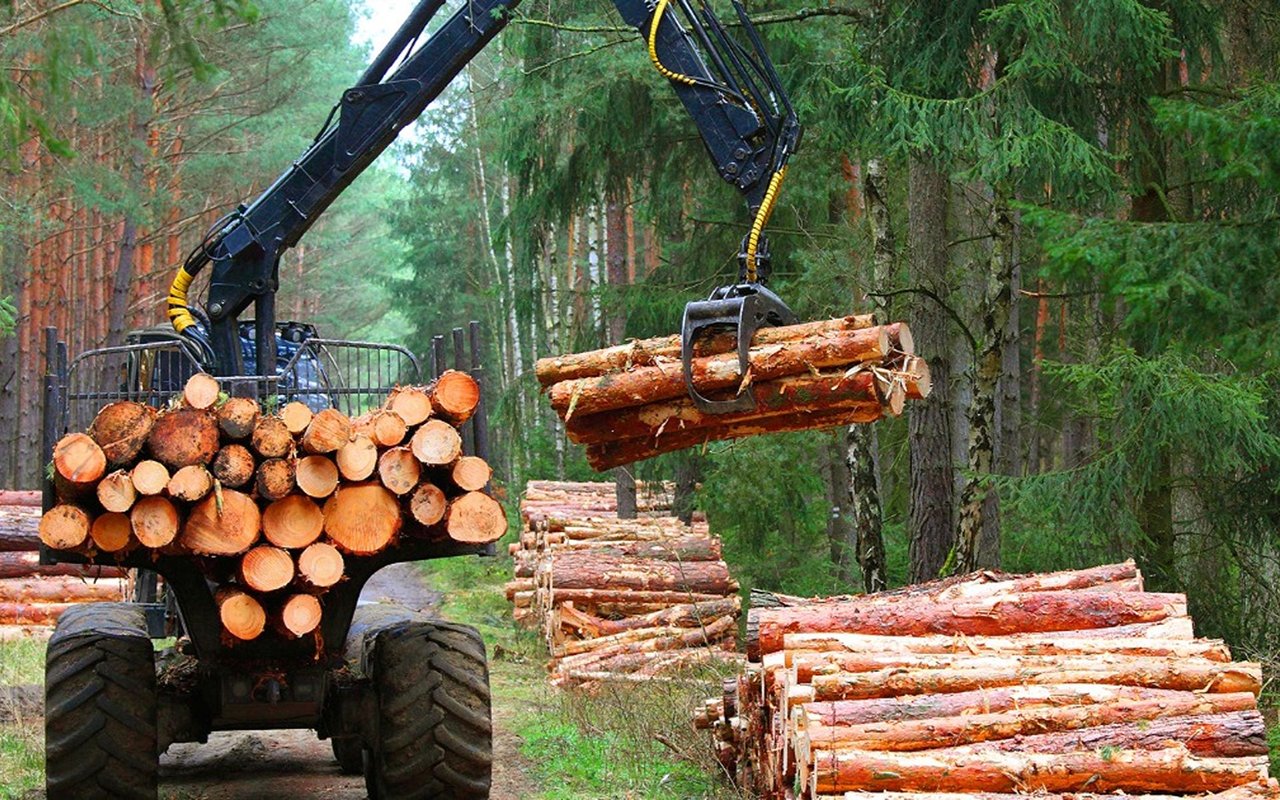
Understanding Reforestation Expenses: Current Deductions and Amortization
Shannon Murphy December 11, 2024
Shannon Murphy December 11, 2024
Reforestation activities, such as planting trees on previously harvested timberland or establishing forests on land that was once used for crops, can offer valuable tax benefits. If you're involved in afforestation or reforestation projects, it's essential to understand the tax treatment of the expenses you incur. In this blog, we’ll walk you through the available deductions and amortization options that can help offset the costs associated with reforestation.
Reforestation expenses refer to the costs involved in establishing a stand of timber, whether that involves planting trees on cleared timberland or land that was once used for farming. These expenses can also include activities like building fences to protect stump sprouts or naturally regenerating seedlings from deer. In the past, such costs had to be capitalized into a deferred reforestation account. However, tax benefits like deductions and amortization have since been introduced to provide relief for landowners involved in reforestation.
Currently, there are two main exceptions under the Internal Revenue Code (IRC) for reforestation expenses:
The $10,000 expensing limit applies to each Qualified Timber Property (QTP), and these provisions are available under Code Section 194.
To take advantage of the current deduction or amortization, you must first determine if your property qualifies as a Qualified Timber Property (QTP). According to Code Section 194, a QTP is defined as:
Both owned and leased land can qualify as a QTP, and timber grown for commercial sale to processors or for your own business use is eligible. However, trees planted for personal use, such as firewood for your home, or for the production of Christmas trees (whether personal or commercial), do not qualify.
To make the most of your reforestation expenses, ensure that your timberland meets the QTP requirements and keep detailed records of all expenses incurred. Understanding how to classify your costs and apply the correct tax benefits can save you money and provide financial support for ongoing reforestation efforts.
If you're interested in learning more about reforestation deductions and amortization for expenses incurred after October 22, 2004, or about specific treatment for land in Gulf Opportunity Zones, there are further resources available. Additionally, if you're seeking guidance on reforestation expenses prior to October 22, 2004, further information can be found on the relevant tax rules.
Reforestation and afforestation are crucial for environmental sustainability and can also offer financial benefits. By understanding the current deductions and amortization options available to you, you can take advantage of valuable tax incentives while contributing to a greener future.
Stay up to date on the latest real estate trends.
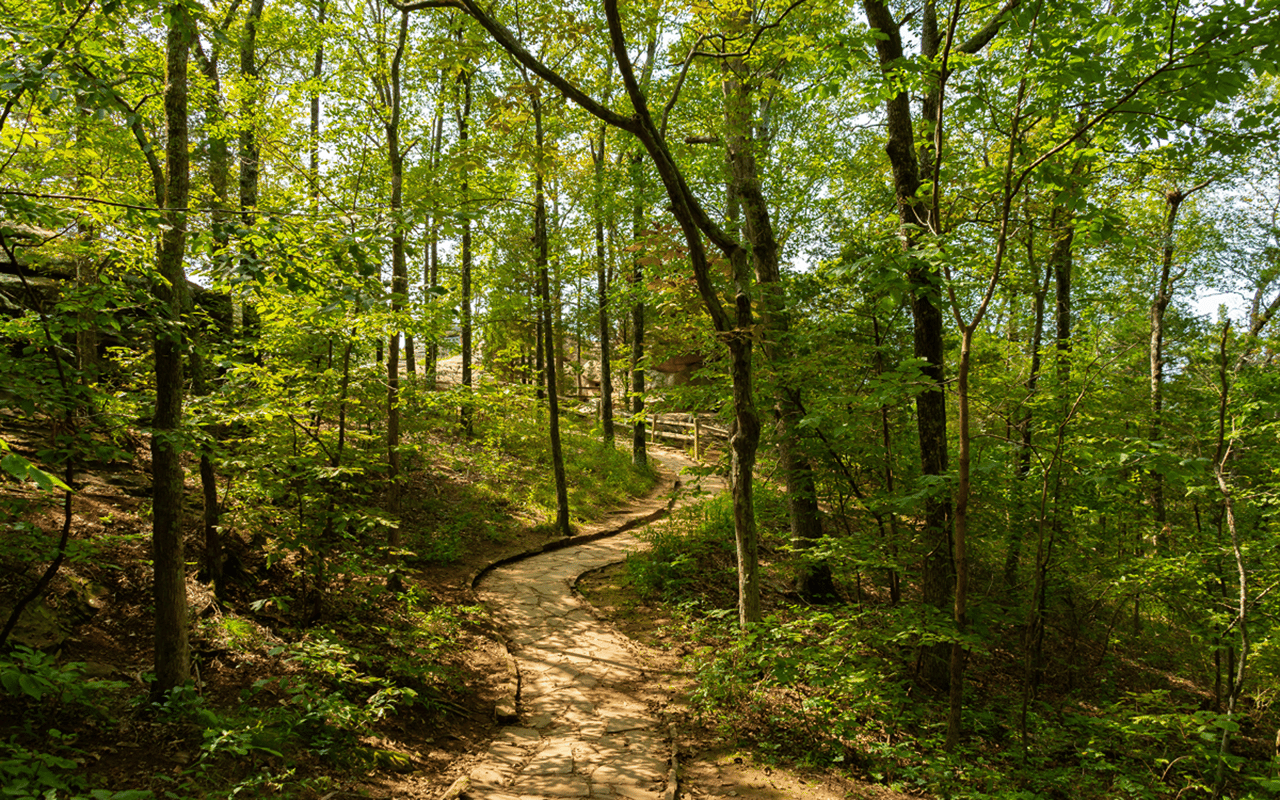
Ask someone what there is to do near Park Falls, Wisconsin, and hunting is probably the first answer.

Most buyers skim past it or assume it only matters if they're planning to farm the ground commercially.

Rural and recreational land doesn't finance quite the same way a traditional home does.
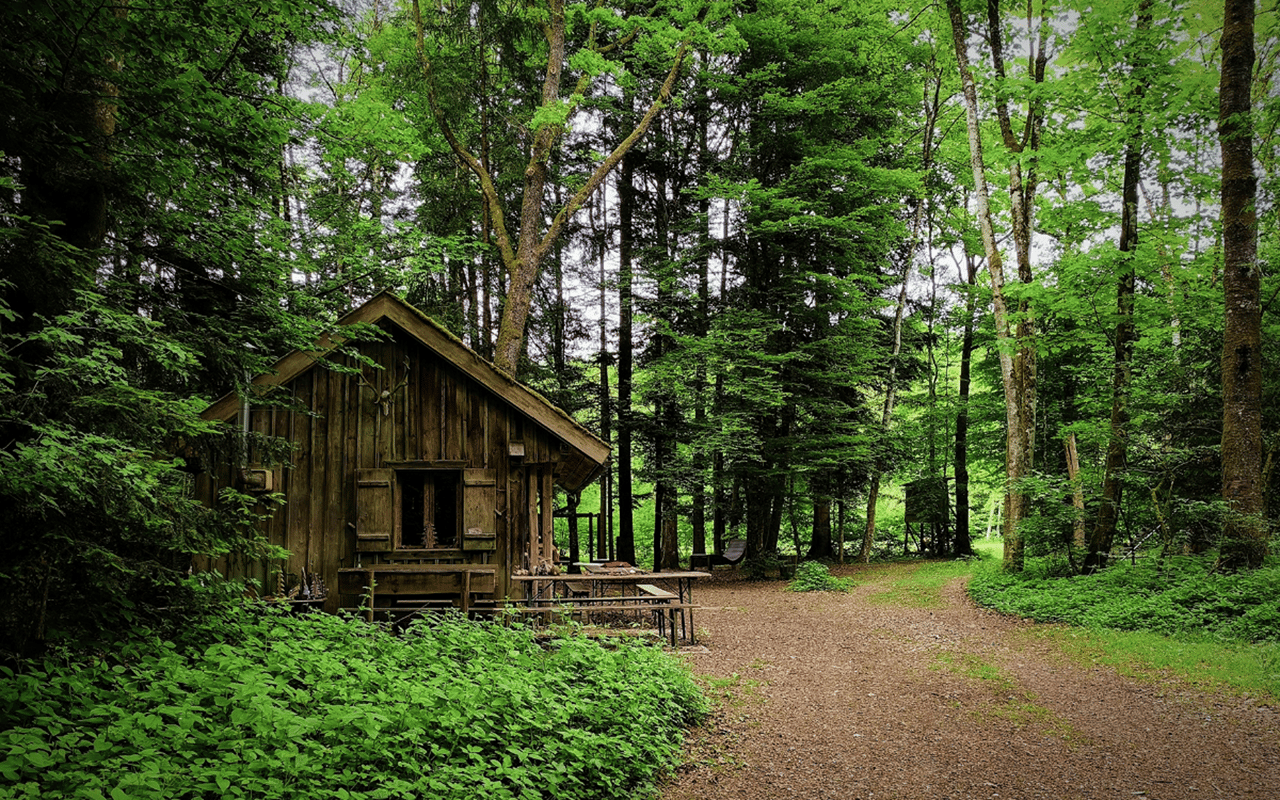
It's happening across the country - and the Park Falls area is feeling it firsthand.

Explore the premier fishing destinations in Park Falls, WI, and discover how you can own your own piece.
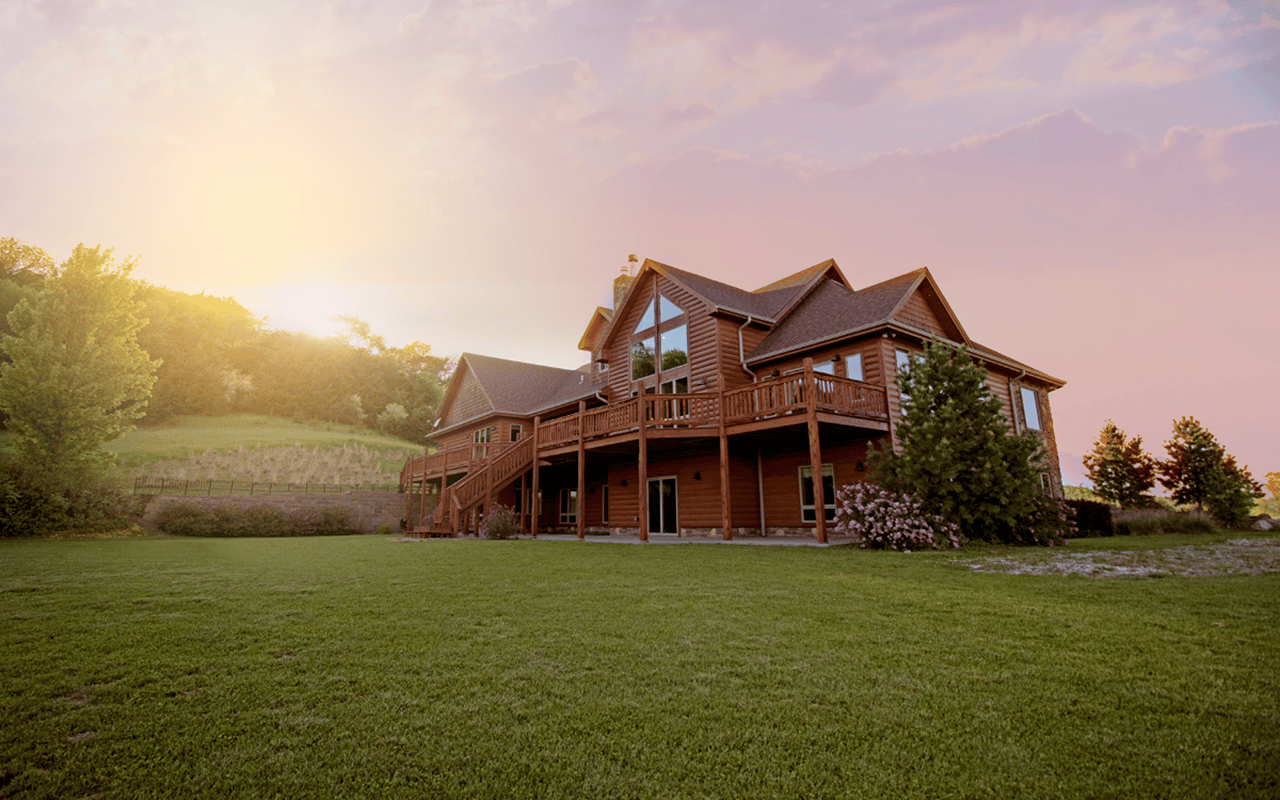
Buying your first piece of land in Northern Wisconsin is exciting - but it's also a different process than buying.
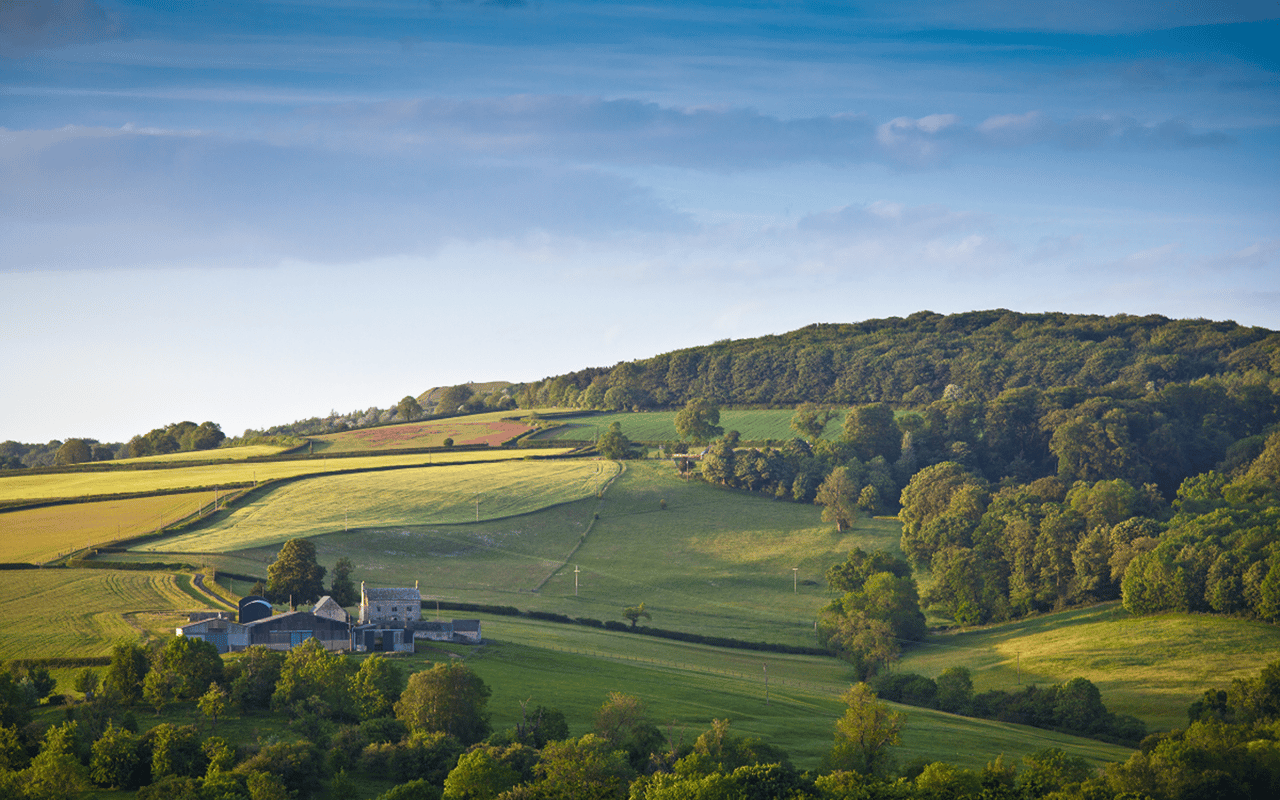
Discover why summer 2026 offers a unique, opportunistic window for homebuyers in Ashland County, Wisconsin.
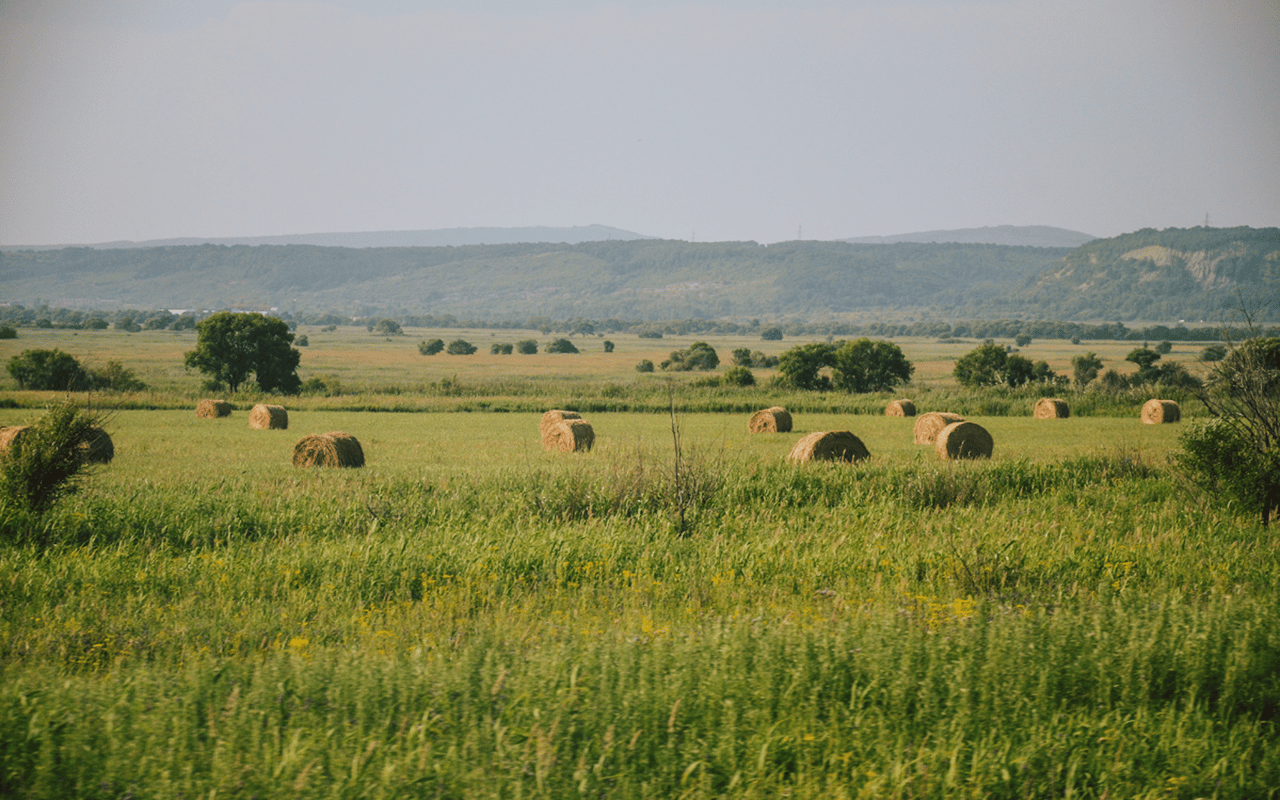
Explore the current market for rural land in Glidden, Wisconsin, and discover why Ashland County remains.
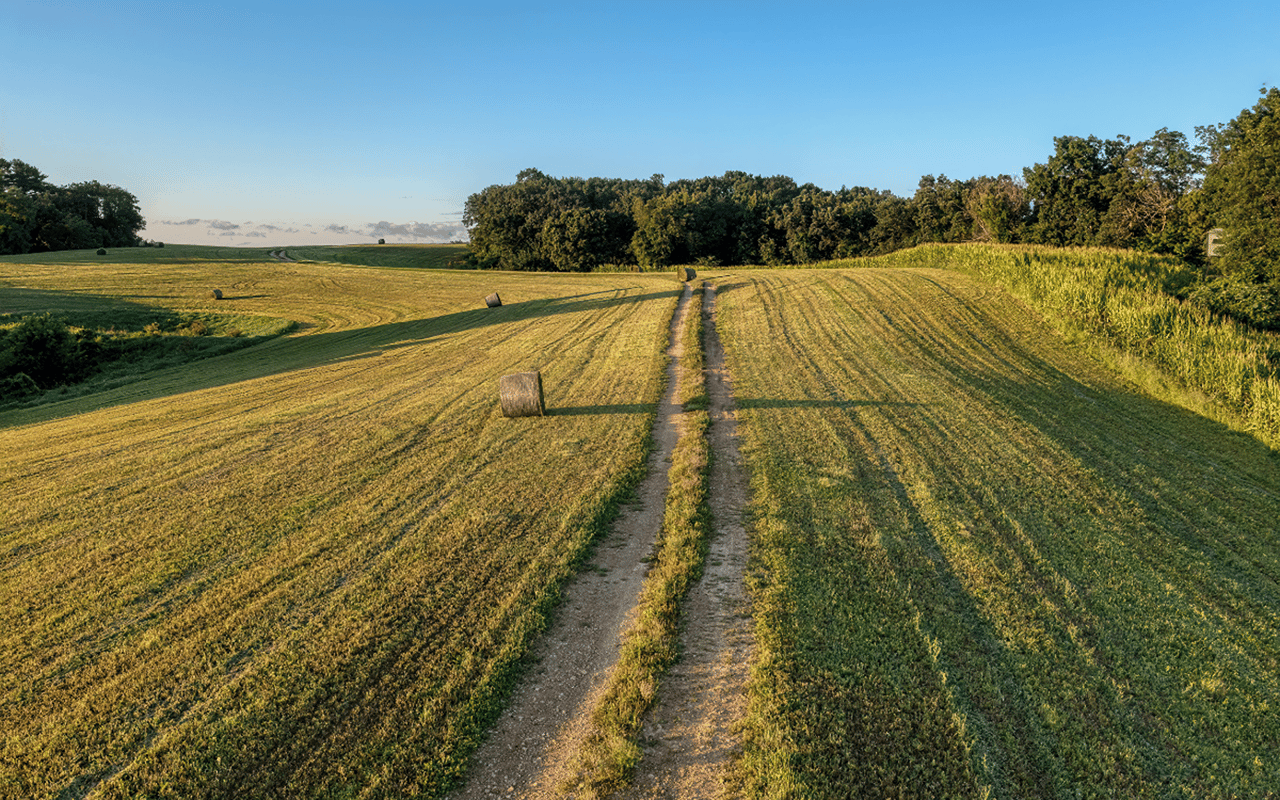
Understand how Conservation Reserve Program (CRP) contracts transfer during land sales in Wisconsin.
Elevate your property selling journey by working with Matt & Brittany Schultz, bringing decades of hands-on land, waterfront, and financing experience to help you maximize your property's value.
United Country Real Estate
1133 4th Ave S, PO Box 434 Park Falls, WI 54552