
Understanding Timber and Timberland Appraisals: A Comprehensive Guide
Shannon Murphy November 7, 2024
Shannon Murphy November 7, 2024
Timber and timberland appraisals are crucial for a variety of purposes, whether you're looking to buy, sell, or manage your forested property. While the appraisal process itself can be complex, understanding the terminology, methods, and principles involved can give you a clearer picture of how your land is valued. In this blog, we’ll break down the essentials of timberland appraisals to help you understand the process, what to expect from an appraiser, and how various factors impact the valuation of timberland.
Timberland appraisals serve a number of purposes. For landowners, appraisals can determine the market value of a property for sale or for securing loans. For investors or land managers, understanding timberland value is key to making informed decisions on land acquisition, resource management, and timber harvesting. Appraisals are also used for estate planning, tax purposes, and in cases of property disputes. Regardless of the reason, a timberland appraisal provides a clear, objective assessment of the land’s value.
There are different types of value that may be considered during a timberland appraisal. The most common include:
Understanding these types of values helps landowners and investors make informed decisions about their property and understand what each appraisal result means.
One of the fundamental concepts in any appraisal process, including timberland, is determining the highest and best use of the property. This refers to the most profitable use of the land, given its physical characteristics, zoning restrictions, and market demand. For timberland, this may include timber harvesting, conversion to other types of land use (such as agriculture or residential development), or simply holding onto the land as a long-term investment. The highest and best use analysis can significantly influence the overall appraisal value.
The valuation process for timberland appraisals typically follows these general steps:
Timberland appraisers use several methods to determine the value of the land and timber. The most common include:
The appraiser may use one or more of these methods depending on the specific characteristics of the timberland and the purpose of the appraisal.
After applying different valuation methods, the appraiser will reconcile the results. This means they’ll analyze the different value estimates and arrive at a final opinion of value, considering all the factors and methods used. Reconciliation is a critical step in ensuring the appraisal reflects the true market value of the property.
The final product of the timberland appraisal process is the appraisal report. This document details the appraiser’s findings, the methods used, and the final value determined for the property. A comprehensive appraisal report typically includes:
These reports are essential for clients looking to make informed decisions about their timberland.
Timberland appraisals can serve a variety of specific purposes. Common uses include:
In the United States, timberland appraisers are required to be licensed and certified by professional organizations, such as the American Society of Agricultural Appraisers (ASAA) or the Appraisal Institute. These organizations ensure appraisers have the knowledge and training necessary to conduct accurate and reliable appraisals.
When seeking a timberland appraiser or additional information on timberland appraisal, several resources can be helpful:
Understanding the process and terminology behind timberland appraisals is essential for anyone looking to manage, buy, or sell timber properties. Whether you’re an investor, landowner, or forestry professional, knowing how timberland is appraised helps you navigate the complexities of land value and make informed decisions. If you’re in need of a professional timberland appraisal, consider reaching out to a licensed appraiser who specializes in forested properties to ensure you’re getting an accurate and reliable assessment of your land.
Stay up to date on the latest real estate trends.
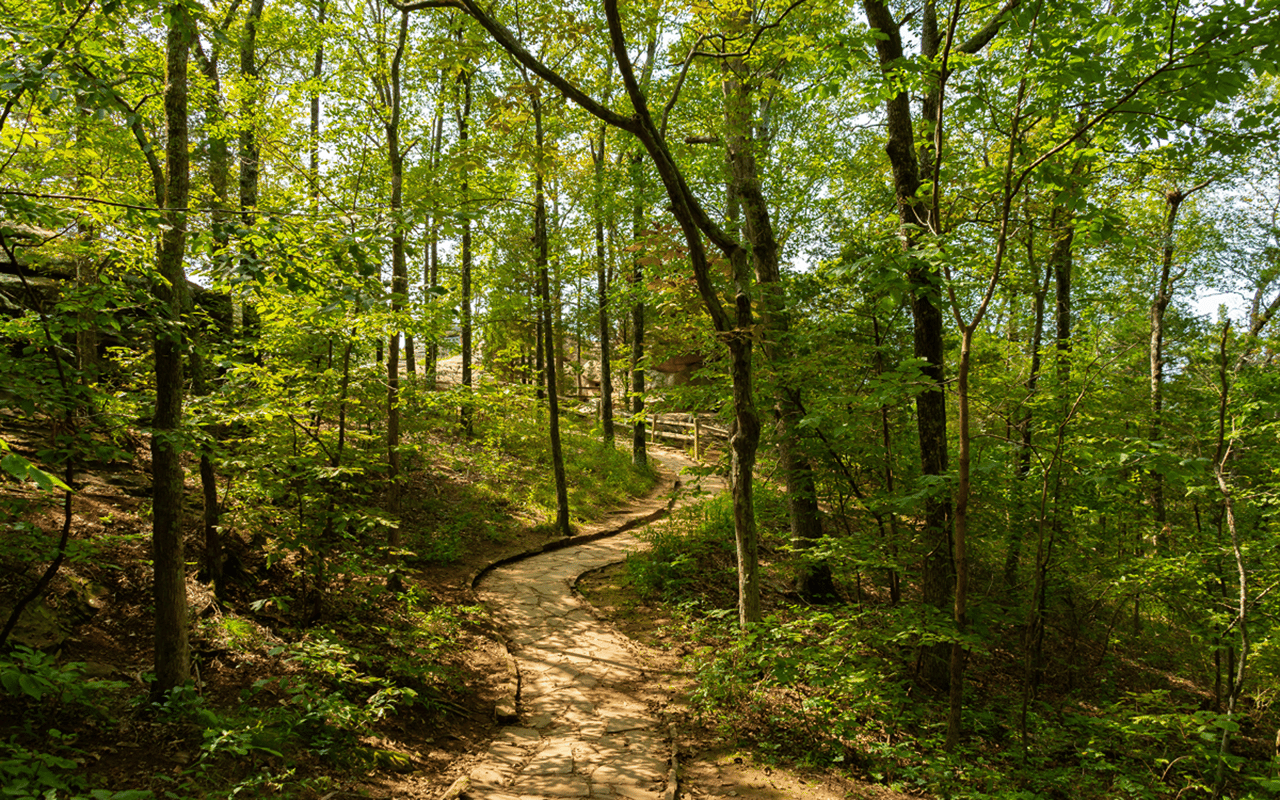
Ask someone what there is to do near Park Falls, Wisconsin, and hunting is probably the first answer.

Most buyers skim past it or assume it only matters if they're planning to farm the ground commercially.

Rural and recreational land doesn't finance quite the same way a traditional home does.
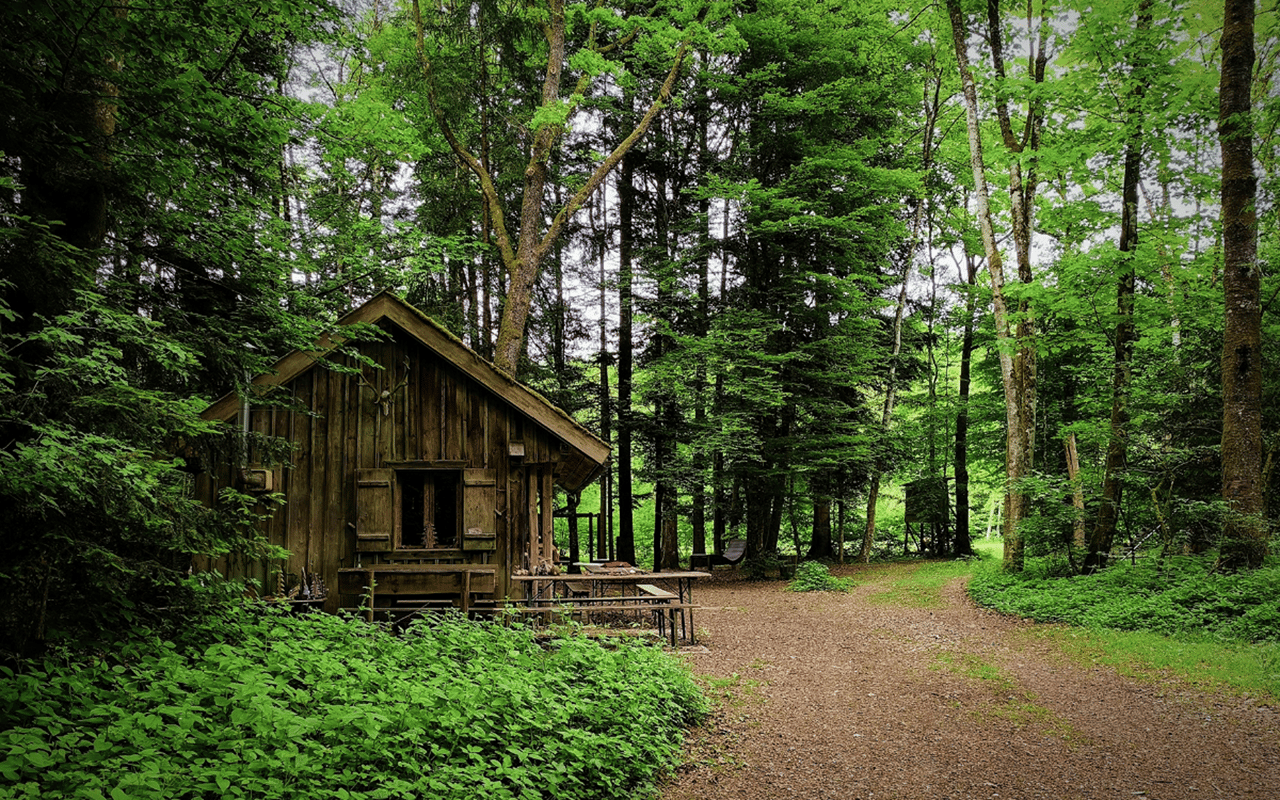
It's happening across the country - and the Park Falls area is feeling it firsthand.

Explore the premier fishing destinations in Park Falls, WI, and discover how you can own your own piece.

Buying your first piece of land in Northern Wisconsin is exciting - but it's also a different process than buying.
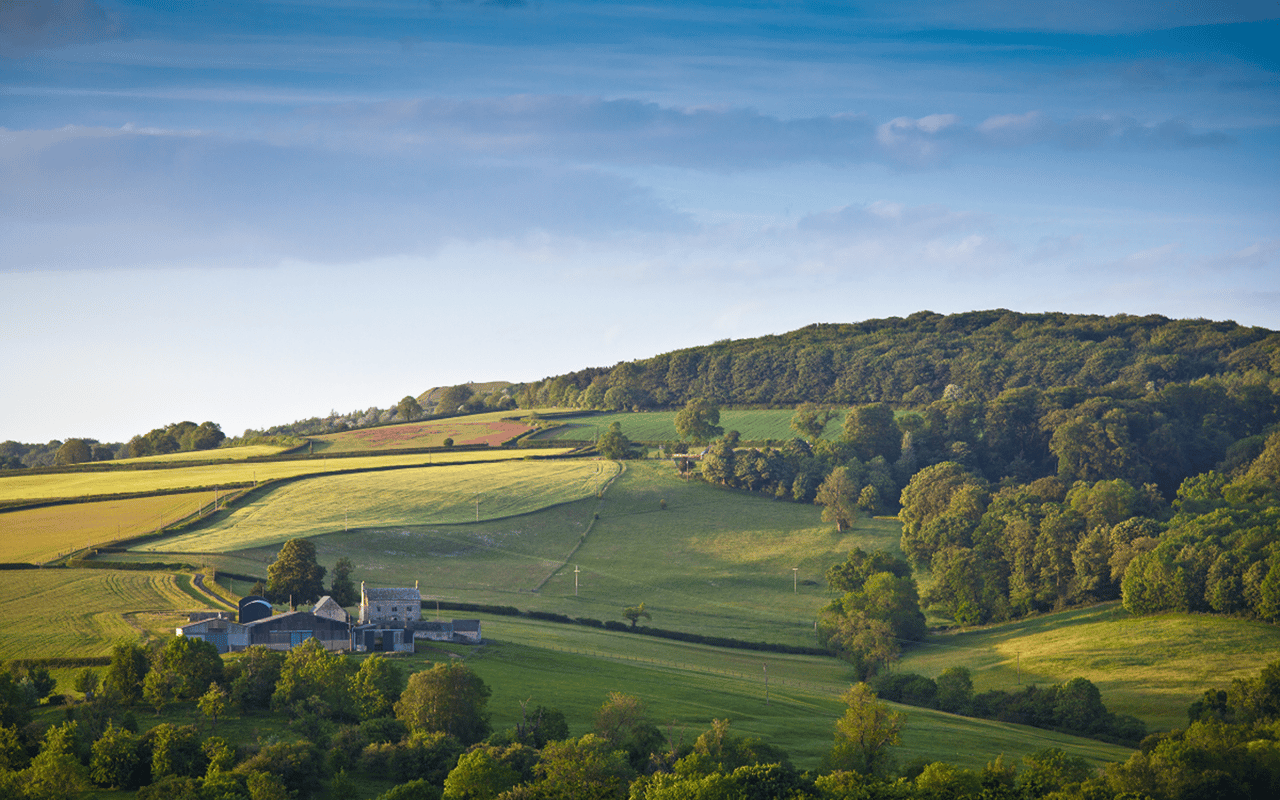
Discover why summer 2026 offers a unique, opportunistic window for homebuyers in Ashland County, Wisconsin.

Explore the current market for rural land in Glidden, Wisconsin, and discover why Ashland County remains.
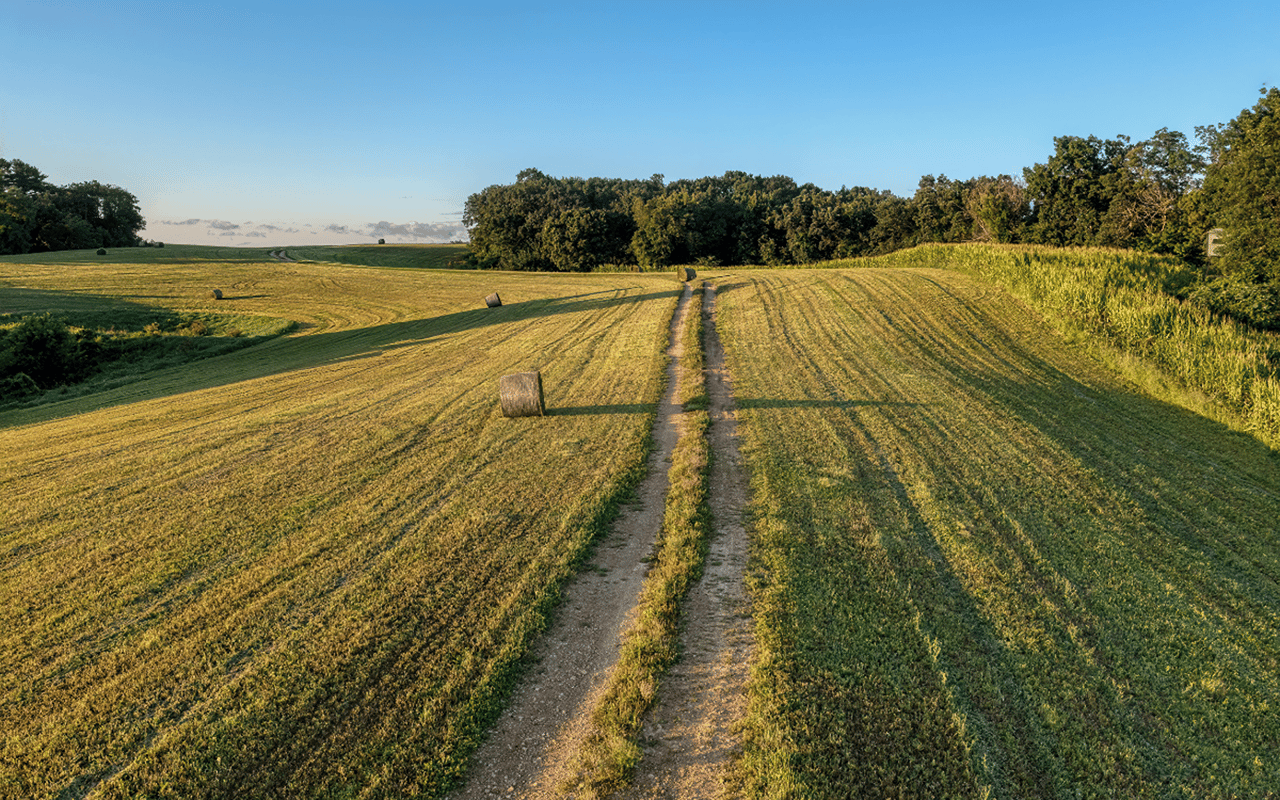
Understand how Conservation Reserve Program (CRP) contracts transfer during land sales in Wisconsin.
Elevate your property selling journey by working with Matt & Brittany Schultz, bringing decades of hands-on land, waterfront, and financing experience to help you maximize your property's value.

United Country Real Estate
1133 4th Ave S, PO Box 434 Park Falls, WI 54552