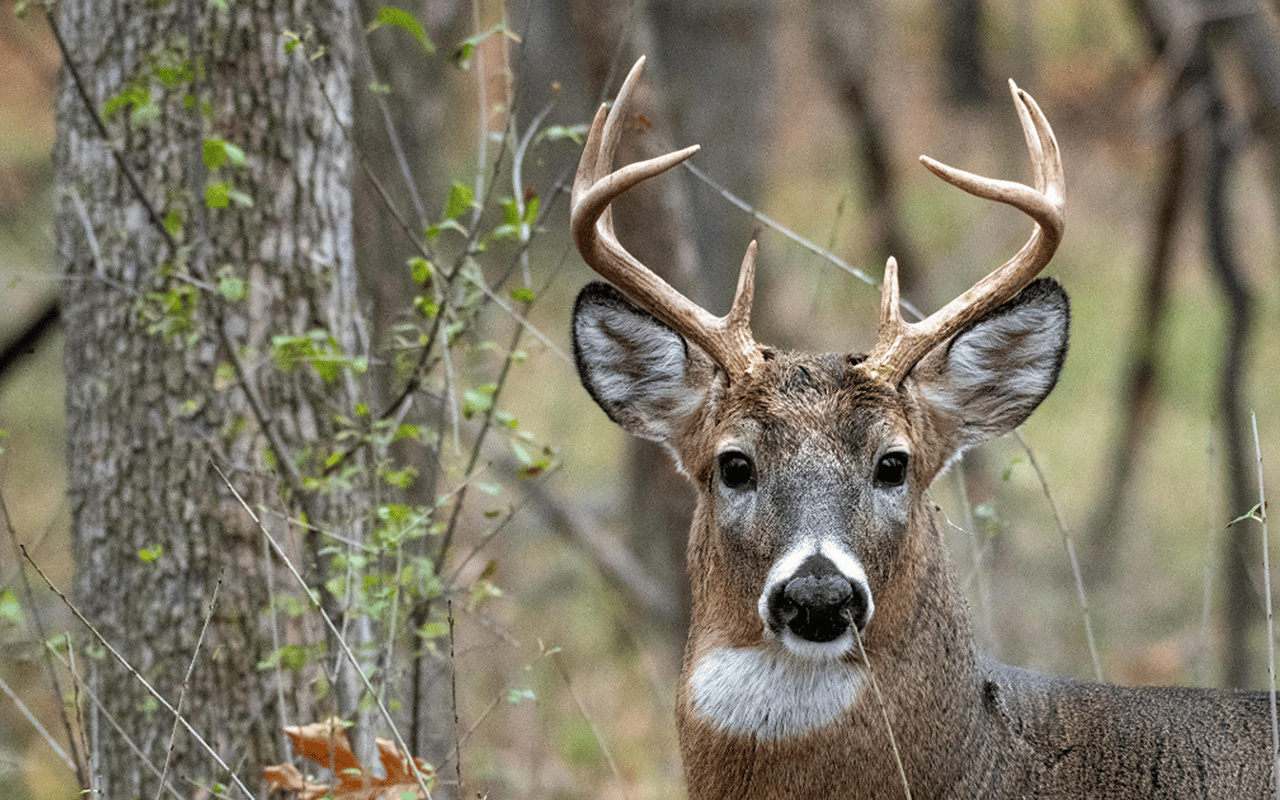
What You Need to Know About Hunting Land Property Taxes in Wisconsin
Shannon Murphy January 9, 2025
Shannon Murphy January 9, 2025
Purchasing hunting land in Wisconsin is a great investment, but understanding the property tax landscape is essential to ensuring a solid financial decision. Property taxes in Wisconsin can vary based on the land’s use, location, and how it is classified. Whether you plan to use the land for hunting, recreation, or agricultural purposes, Wisconsin offers several tax exemptions and benefits that can help manage property tax liabilities. Here's a guide to navigating hunting land property taxes in Wisconsin and how to make the most of available tax-saving opportunities.
In Wisconsin, property taxes are determined at the county level and are based on the assessed value of the land. Hunting land generally tends to have lower tax rates compared to residential or commercial properties, but it’s still important to understand the factors that can influence how much you pay. The state's classification system for property use plays a significant role in determining tax rates, so how you plan to use your hunting land could potentially reduce your tax burden.
If your land is used for hunting or recreation, you may qualify for certain exemptions or favorable tax rates, especially if the land is also utilized for agriculture or conservation. Understanding how to take advantage of these opportunities can help keep your property taxes manageable while ensuring your land remains a productive and enjoyable investment.
Wisconsin offers several tax benefits for agricultural landowners, and this can extend to hunting land if you use it for farming, forestry, or conservation. One of the key programs is the Managed Forest Law (MFL), which offers property tax reductions for landowners who actively manage their property for forestry purposes. This program is ideal for hunting landowners who wish to promote healthy forests while reducing their property taxes.
Additionally, if your land is actively farmed or used for agricultural purposes, it may qualify for Wisconsin’s Farmland Preservation Program, which offers property tax credits for land that is dedicated to farming. Participating in these programs can provide significant savings on property taxes while supporting conservation efforts and enhancing the land’s suitability for wildlife habitats.
For those interested in long-term land conservation, enrolling in Wisconsin’s Conservation Reserve Program (CRP) can also offer property tax reductions while preserving native ecosystems. These programs align well with the goals of many hunters and landowners who seek to manage their land for both recreational and conservation purposes.
If your hunting land is used primarily for recreational purposes, Wisconsin still provides several opportunities for property tax reductions. While the tax benefits may not be as extensive as those for agricultural or timberland, land dedicated to recreational use may be valued at a lower rate by the county assessor, depending on its use and zoning.
In addition, certain counties may offer local tax incentives for properties used to support wildlife conservation or environmental preservation. If your property includes features like wetlands, forests, or native grasses, you may qualify for reduced assessments or exemptions that can help manage your tax liability.
Wisconsin also provides opportunities for tax deductions related to land management practices that support wildlife habitats. If you actively manage your hunting land to improve wildlife populations, including practices such as food plot establishment, invasive species control, or planting native trees, you may be able to deduct certain costs from your taxes. These deductions can help offset the expenses of managing the land while ensuring it remains attractive for hunting and wildlife.
Moreover, participating in programs like the Wildlife Habitat Incentive Program (WHIP) or similar state-managed wildlife conservation programs can provide additional tax credits or reductions for your land, particularly if you're enhancing the land’s habitat value for specific game species.
To manage your property tax liabilities effectively, consider the following tips:
Owning hunting land in Wisconsin is an exciting and rewarding investment, but understanding how to manage property taxes is critical to ensuring it remains financially sustainable. By taking advantage of tax exemptions for agricultural use, forestry programs, and wildlife management, you can effectively reduce your tax burden while maintaining the land’s value for hunting and conservation. Whether you’re interested in wildlife habitat management or farming, Wisconsin offers several programs to help landowners save on taxes and enhance their property’s potential. By staying informed and working with a tax professional, you can ensure your hunting land remains a valuable and enjoyable investment for years to come.
Stay up to date on the latest real estate trends.
Ask someone what there is to do near Park Falls, Wisconsin, and hunting is probably the first answer.

Most buyers skim past it or assume it only matters if they're planning to farm the ground commercially.

Rural and recreational land doesn't finance quite the same way a traditional home does.
It's happening across the country - and the Park Falls area is feeling it firsthand.

Explore the premier fishing destinations in Park Falls, WI, and discover how you can own your own piece.

Buying your first piece of land in Northern Wisconsin is exciting - but it's also a different process than buying.
Discover why summer 2026 offers a unique, opportunistic window for homebuyers in Ashland County, Wisconsin.
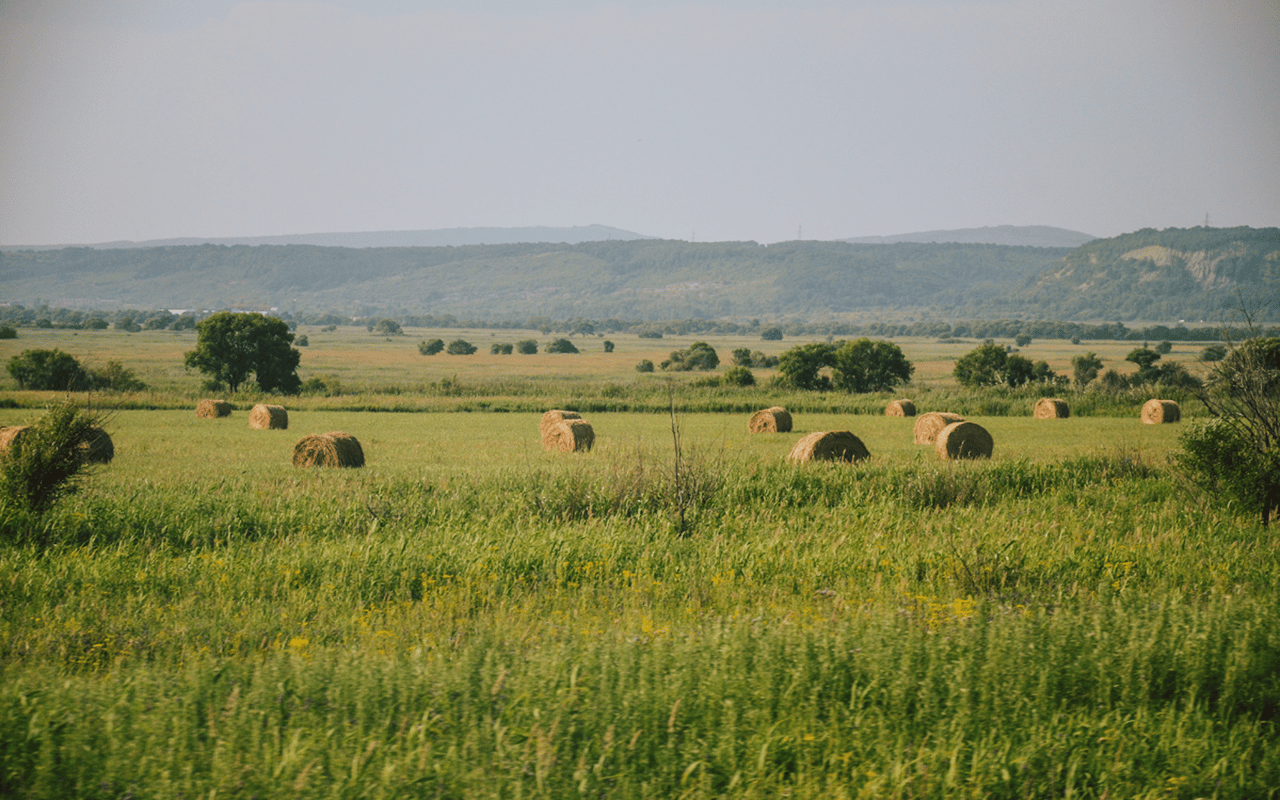
Explore the current market for rural land in Glidden, Wisconsin, and discover why Ashland County remains.
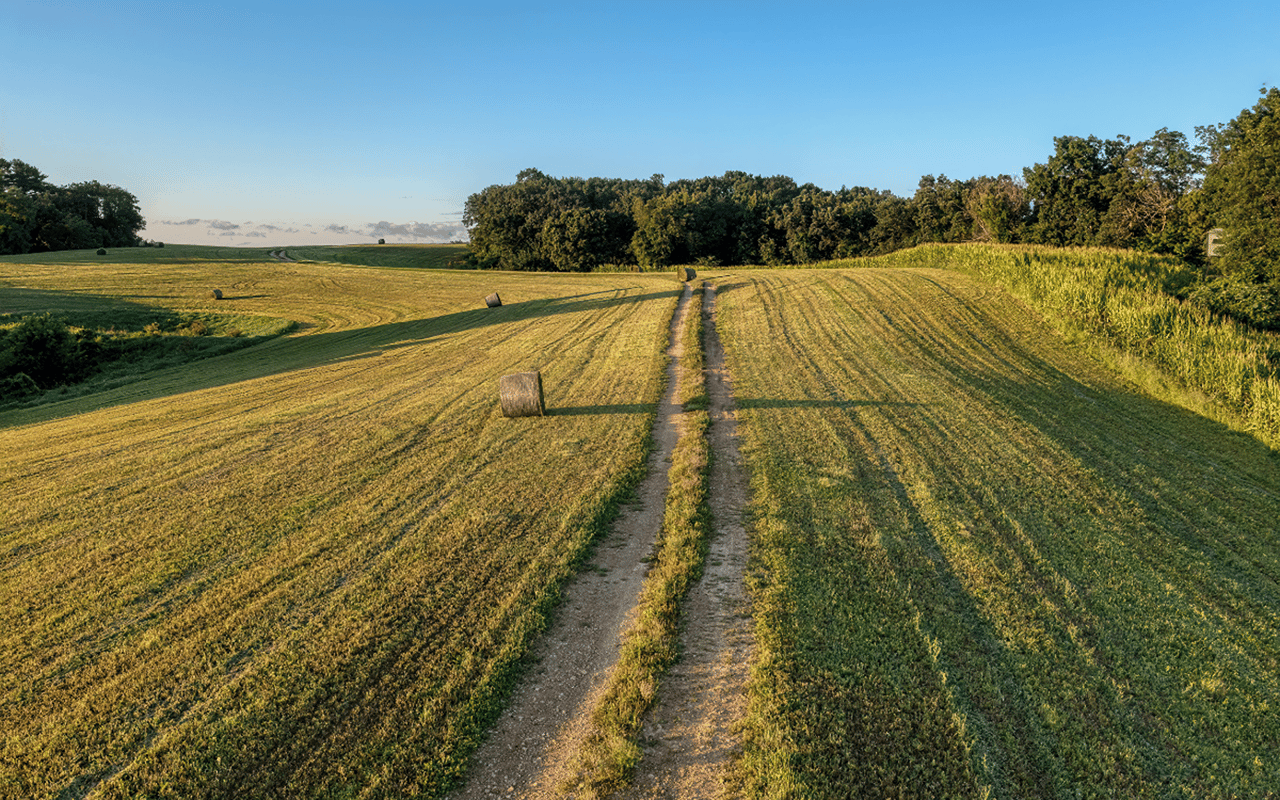
Understand how Conservation Reserve Program (CRP) contracts transfer during land sales in Wisconsin.
Elevate your property selling journey by working with Matt & Brittany Schultz, bringing decades of hands-on land, waterfront, and financing experience to help you maximize your property's value.

United Country Real Estate
1133 4th Ave S, PO Box 434 Park Falls, WI 54552